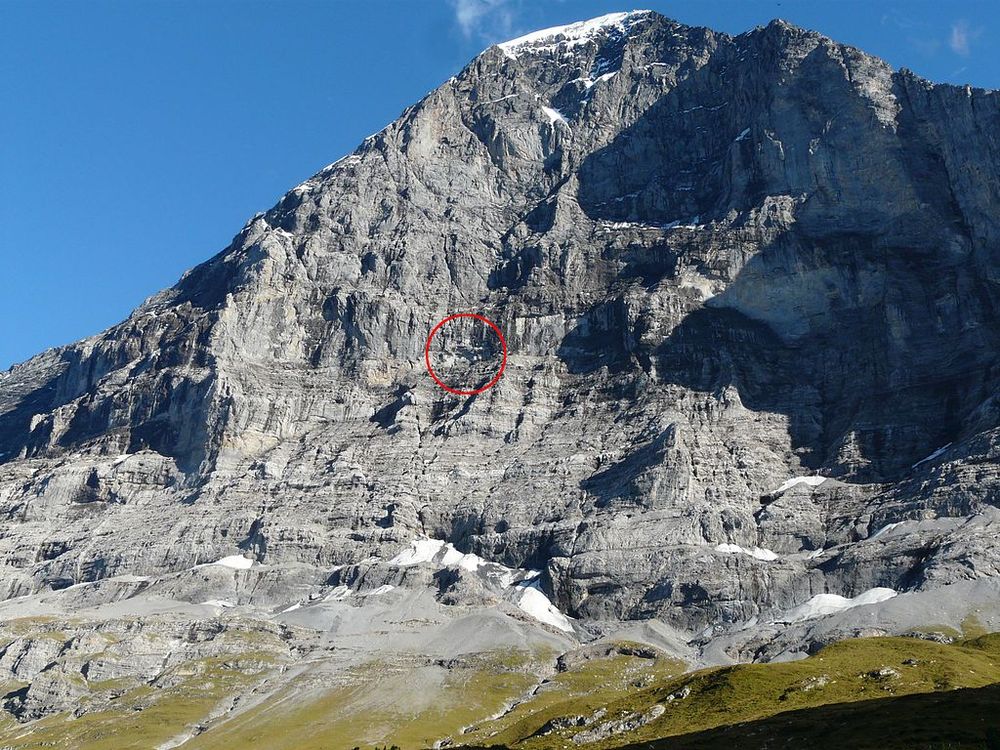
 The windows of the Eigerwand station on the north wall of the Eiger. Photo: Whgler/Wikimedia
Hidden high in the heart of the Swiss Alps lies one of the world’s most fascinating feats of mountain engineering — the Eigerwand railway station. Built into the sheer rock face of the mighty Eiger Mountain, this stop on the Jungfrau Railway was more than just a rest point for passengers. It was a window into the soul of the Alps, an architectural marvel carved directly into nature’s most formidable walls. The Eigerwand has since become a symbol of human determination, daring innovation, and the unbreakable bond between man and mountain.
The Birth of a Bold Vision
The story of Eigerwand begins in the late 19th century when Swiss engineer Adolf Guyer-Zeller proposed an idea that seemed impossible: a railway line climbing from Kleine Scheidegg to the Jungfraujoch — Europe’s highest railway station. Construction began in 1896, and over the next 16 years, hundreds of workers carved tunnels, blasted through solid rock, and braved avalanches and freezing temperatures to create the Jungfrau Railway.
To allow ventilation, rest, and scenic viewing, two intermediate stations were built into the tunnel: Eigerwand and Eismeer. Completed in 1903, Eigerwand (meaning “Eiger Wall”) sat directly inside the mountain’s famous north face, offering passengers an extraordinary perspective — a view straight through the rock to the glacier below. (jungfrau.ch)

A Window Into the North Face
What made Eigerwand truly unique were its large observation windows. From inside the mountain tunnel, passengers could gaze out through thick glass panes embedded into the vertical face of the Eiger. On clear days, the view stretched across the Bernese Alps, with snowfields, cliffs, and swirling clouds creating a panorama unlike any other in the world. These “windows in the mountain” gave visitors a chance to pause midway through their ascent and marvel at the natural grandeur of Switzerland’s alpine heart.
For decades, this was one of the most memorable moments of the Jungfrau journey. As the train stopped briefly at Eigerwand, passengers stepped to the viewing area to photograph the vast ice expanse and the dizzying drop below. It became a point of awe and contemplation — a literal peek into the face of a legend. (myswitzerland.com)
The Challenge of Construction
Carving a station into one of the most dangerous mountains in the world was no easy feat. Workers faced extreme risks daily. The Eiger’s north face, often referred to as the “Mordwand” (or “Murder Wall”), was infamous for its deadly rockfalls and unpredictable weather. Building within its depths required courage, precision, and relentless endurance.
Using dynamite and hand tools, the workers blasted through limestone and granite under grueling conditions. Oxygen was scarce, temperatures plummeted, and lighting was minimal. Many suffered injuries; some even lost their lives. Yet their determination never wavered. The completion of Eigerwand was not only an engineering triumph but a testament to human resilience — proof that even nature’s most daunting challenges could be met with ingenuity and willpower.

The Eiger’s Mystique and Mountaineering Legends
Long before the station existed, the Eiger’s north face captivated climbers worldwide. First conquered in 1938, it quickly gained legendary status as one of the most dangerous ascents on Earth. For years, mountaineers used Eigerwand’s windows to scout conditions or communicate with rescue teams. During perilous climbs, rescuers sometimes peered out from the station, watching helplessly as storms trapped climbers on the icy walls.
In this way, Eigerwand became part of mountaineering folklore — a silent witness to both triumph and tragedy. It stood between the comfort of human engineering and the raw power of nature, bridging two worlds that rarely meet in such dramatic proximity. (nationalgeographic.com)
A Journey Through Time
From 1912 onward, tourists from all over the world flocked to experience the Jungfrau Railway. Eigerwand remained a key highlight until 2016, when the station was officially closed to the public. Advances in technology and new viewing options made it less essential, but its legend endures. Today, the trains pass through without stopping, though passengers can still glimpse the station’s windows briefly illuminated in the dark tunnel — ghostly reminders of a bygone era.
The closure of Eigerwand marked the end of a historic chapter, but not its spirit. The story of the station continues to inspire awe among travelers, engineers, and climbers alike. Its legacy is immortalized in photographs, travel diaries, and the enduring admiration of those who dream big.

Eigerwand and Modern Tourism
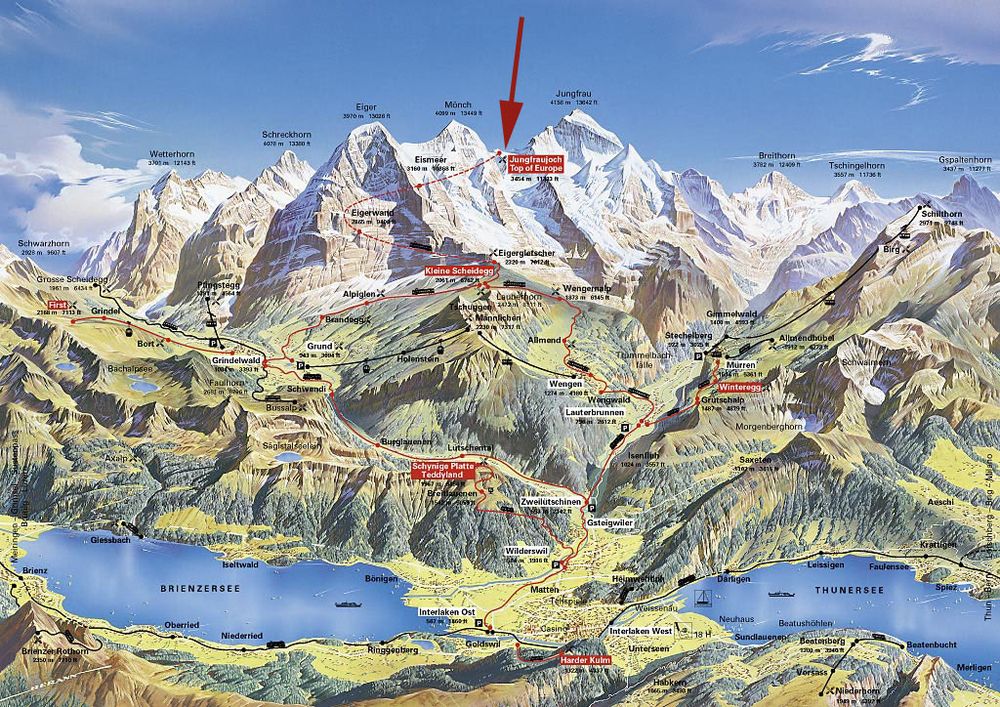
Though visitors can no longer step out at the Eigerwand, the Jungfrau Railway remains one of the most spectacular train journeys in the world. Departing from Kleine Scheidegg, it ascends through the heart of the Eiger and Mönch mountains to the “Top of Europe” — the Jungfraujoch station, sitting at a staggering 3,454 meters. The ride offers a thrilling combination of scenic wonder, historic pride, and technical brilliance that continues to define Swiss rail travel.
Meanwhile, the Eigerwand’s story adds depth to this experience. It reminds passengers that every convenience they enjoy today was once an extraordinary risk. Each tunnel and window was carved by hand, through grit and determination, by men who literally worked inside a mountain.
A Symbol of Human Ingenuity
The Eigerwand station represents more than a scenic stop — it’s a symbol of humankind’s desire to connect with nature without conquering it. The engineers of the Jungfrau Railway respected the mountain, adapting their designs to its contours rather than defying them. In doing so, they created something timeless — a fusion of art, architecture, and adventure.
Even today, the station’s remains are meticulously preserved. Engineers maintain the tunnels, ensuring their stability while honoring their historic importance. It stands as a museum piece inside the mountain, quietly telling stories of a century of exploration and progress.

Lessons from the Wall of the Eiger
In an age where travel often means instant gratification, Eigerwand offers a reminder of the patience and passion that defined early exploration. Its story speaks to perseverance — that to truly experience the wonders of nature, one must be willing to dig deep, face challenges, and marvel at the results of human creativity working in harmony with the earth.
The Eiger itself continues to captivate climbers and tourists. Each season, people still gaze at the towering north face, unaware that inside it lies a hidden relic — a window through which past generations glimpsed both nature’s majesty and their own courage.

A View Etched in Time
The Eigerwand railway station may now be closed, but its spirit endures in every photograph, in every passing train, and in the hearts of those who know its story. It remains a monument to ambition and a tribute to human craftsmanship at its finest.
In the silence of the mountain, the windows of Eigerwand still look out over the icy expanse — reminders that sometimes, the most breathtaking views are the ones earned through perseverance and imagination.
La Brújula Verde.



.JPG)


