Showing posts with label creative. Show all posts

Unraveling the Fascinating Tale of the Dwarves of Wrocław

Unraveling the Fascinating Tale of the Dwarves of Wrocław
In the cobbled streets of Wrocław, Poland, something magical awaits at nearly every corner — a little bronze figure, frozen mid-action yet alive with spirit. They peek out from under benches, climb lampposts, lean against doorways, and even type on tiny laptops. These whimsical sculptures, known as the Dwarves of Wrocław, have become one of Europe’s most delightful urban legends — a symbol of resilience, humor, and the city’s rebellious past. But behind their playful smiles lies a powerful story rooted in Poland’s struggle for freedom. This isn’t just a collection of cute statues; it’s a living tribute to creativity, community, and the enduring human will to stand tall — even when small in size. Above Credit: Klearchos Kapoutsis/Flickr

The origins of these dwarves trace back to the 1980s, a politically tense period when Poland was under Communist rule. During that time, the Orange Alternative Movement emerged — a peaceful protest group led by students and artists. Instead of fighting oppression with anger, they used humor and absurdity. When the government would cover anti-Communist graffiti with white paint, the activists responded by painting dwarves over it. These tiny figures mocked censorship itself — symbols so ridiculous that authorities didn’t quite know how to react. Soon, the dwarf became a silent emblem of resistance, spreading across Wrocław’s walls as a clever way to reclaim public space and speak truth to power.

Unraveling the Fascinating Tale of the Dwarves of Wrocław
Credit: Alexander Johmann/Flickr

In 2001, the first official bronze dwarf statue, Papa Krasnal (Papa Dwarf), was installed near Świdnicka Street. He honored the Orange Alternative and its founder, Waldemar “Major” Fydrych. What began as one statue soon grew into a cultural movement of its own. Locals and tourists adored the little figures. Each new dwarf came with its own name, backstory, and purpose. There’s a Firefighter Dwarf, a Baker Dwarf, a Traveler Dwarf, and even one sitting in a wheelchair — promoting accessibility awareness. Today, more than 600 dwarves inhabit Wrocław, turning the city into an open-air museum of laughter and history. Their presence transforms everyday spaces — a sidewalk, a park bench, a fountain — into moments of discovery.

For visitors, the Wrocław Dwarves Trail offers a one-of-a-kind way to explore the city. Maps and mobile apps help you track down each statue, but the real joy comes from spotting them unexpectedly. Children adore the treasure hunt aspect, while adults appreciate the humor and symbolism. Each dwarf is a storyteller, representing everything from local businesses to social causes. There’s even a Prisoner Dwarf trapped behind bars outside an old jail and a Tourist Dwarf taking photos with his tiny camera. Some are placed near universities, some outside restaurants or museums, and others hidden in alleys — making exploration an adventure of surprise and delight.


Unraveling the Fascinating Tale of the Dwarves of Wrocław
Credit: Alexander Johmann/Flickr

The dwarves have become more than art; they’re a reflection of Wrocław’s identity. Locals often refer to them as “citizens” of the city. Artists continue to design new ones, celebrating diversity and creativity. Every dwarf has a purpose — one might celebrate education, another might raise awareness about the environment, and yet another might symbolize friendship or unity. Together, they tell a collective story about Wrocław’s resilience and optimism.

Beyond their cultural appeal, the dwarves also play an important role in promoting tourism. Thousands of travelers from around the world come each year specifically to see them. The official “Dwarf Festival” is a highlight event, where participants dress up, take part in parades, and even vote for their favorite new statue. Local businesses, too, have embraced the trend — many cafés and shops feature dwarf-themed merchandise, turning these little statues into beloved mascots of Wrocław’s global charm.

But at their core, the Dwarves of Wrocław remain symbols of freedom through creativity. They remind us that humor can be a form of resistance, and that art, no matter how small, can make powerful statements. During the Communist era, painting dwarves on the walls wasn’t just a prank — it was an act of courage, a reminder that even in darkness, joy could be a form of defiance.

Unraveling the Fascinating Tale of the Dwarves of Wrocław
Credit: Natalia Postawa/Flickr

Walking through Wrocław today feels like walking through a living fairytale. As you pass each dwarf, you’re not just sightseeing — you’re stepping into a story that spans decades, blending myth with memory, playfulness with history. Their presence connects generations, showing how a community can turn pain into art and rebellion into laughter.

In a world that often forgets the small things, Wrocław’s dwarves remind us that even the tiniest gestures can carry deep meaning. Whether you see them as symbols of protest, works of art, or simply cute companions along your walk, they stand for something timeless — hope, unity, and the magic of imagination.
So next time you find yourself in Poland, let the dwarves guide your journey. Follow their trail through the old town, listen to the stories they silently tell, and rediscover the wonder of a city where history and humor coexist — one bronze smile at a time.

Unraveling the Fascinating Tale of the Dwarves of Wrocław

In 2001, the first official bronze dwarf statue, Papa Krasnal (Papa Dwarf), was installed near Świdnicka Street. He honored the Orange Alternative and its founder, Waldemar “Major” Fydrych. What began as one statue soon grew into a cultural movement of its own. Locals and tourists adored the little figures. Each new dwarf came with its own name, backstory, and purpose. There’s a Firefighter Dwarf, a Baker Dwarf, a Traveler Dwarf, and even one sitting in a wheelchair — promoting accessibility awareness. Today, more than 600 dwarves inhabit Wrocław, turning the city into an open-air museum of laughter and history. Their presence transforms everyday spaces — a sidewalk, a park bench, a fountain — into moments of discovery.

For visitors, the Wrocław Dwarves Trail offers a one-of-a-kind way to explore the city. Maps and mobile apps help you track down each statue, but the real joy comes from spotting them unexpectedly. Children adore the treasure hunt aspect, while adults appreciate the humor and symbolism. Each dwarf is a storyteller, representing everything from local businesses to social causes. There’s even a Prisoner Dwarf trapped behind bars outside an old jail and a Tourist Dwarf taking photos with his tiny camera. Some are placed near universities, some outside restaurants or museums, and others hidden in alleys — making exploration an adventure of surprise and delight.

The dwarves have become more than art; they’re a reflection of Wrocław’s identity. Locals often refer to them as “citizens” of the city. Artists continue to design new ones, celebrating diversity and creativity. Every dwarf has a purpose — one might celebrate education, another might raise awareness about the environment, and yet another might symbolize friendship or unity. Together, they tell a collective story about Wrocław’s resilience and optimism.

Beyond their cultural appeal, the dwarves also play an important role in promoting tourism. Thousands of travelers from around the world come each year specifically to see them. The official “Dwarf Festival” is a highlight event, where participants dress up, take part in parades, and even vote for their favorite new statue. Local businesses, too, have embraced the trend — many cafés and shops feature dwarf-themed merchandise, turning these little statues into beloved mascots of Wrocław’s global charm.

Unraveling the Fascinating Tale of the Dwarves of Wrocław


Nature's Fleeting Canvas: Exploring Guillaume Legros's Ephemeral Land Art

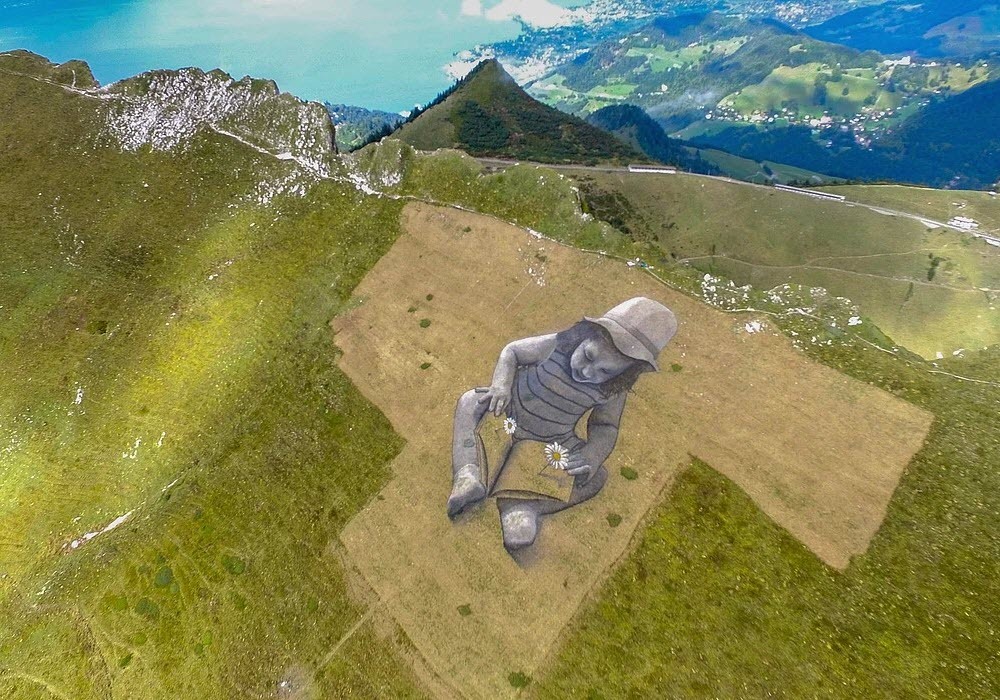
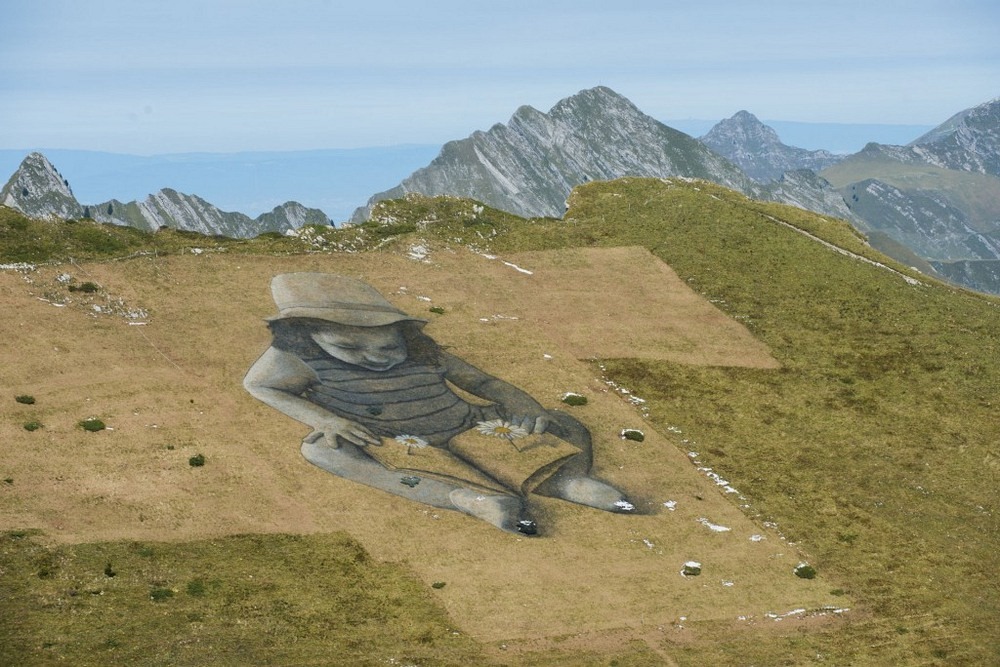
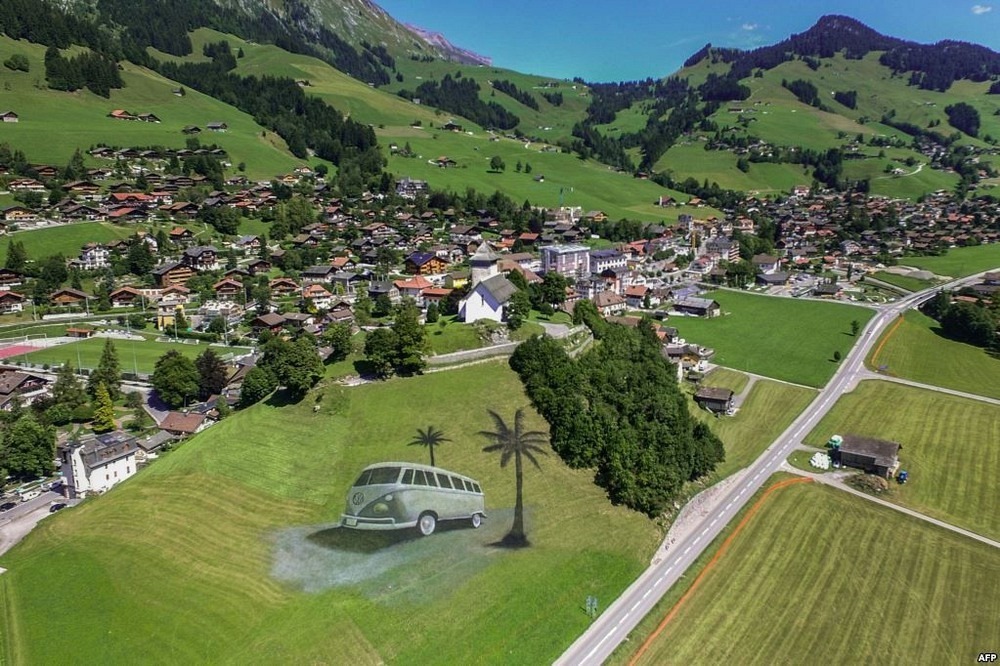
 Nature's Fleeting Canvas: Exploring Guillaume Legros's Ephemeral Land Artguillame-legros-21In the world of art, innovation and experimentation constantly push the boundaries of creativity. Guillaume Legros, a renowned artist, has carved a niche for himself with his unique approach to land art. Embracing the ephemeral nature of his creations, Legros's work invites viewers to contemplate the transient beauty of the natural world. This essay explores the significance and impact of Guillaume Legros's ephemeral land art.

Definition of Ephemeral Land Art: Ephemeral land art is a form of artistic expression that involves creating temporary installations or sculptures using natural materials found in the environment. Unlike traditional art forms, which are meant to endure, ephemeral land art is intentionally transient, allowing nature to reclaim its components over time. This impermanence becomes an integral part of the artwork, emphasizing the fragility and fleeting nature of life itself.

Guillaume Legros: The Artist: Guillaume Legros, also known as Saype., is a French artist who has gained international acclaim for his breathtaking ephemeral land art installations. Combining elements of painting, sculpture, and performance, Legros creates large-scale artworks on grassy fields, mountainsides, and even city streets. His creations often depict human figures, intertwining themes of unity, connection, and harmony with nature.

The Transient Beauty of Nature: Legros's ephemeral land art celebrates the beauty and temporality of the natural world. By using organic materials such as soil, flowers, and natural pigments, his installations integrate seamlessly with the environment, appearing almost as if they have emerged spontaneously from the earth. The impermanent nature of these artworks underscores the ever-changing cycles of life, encouraging viewers to appreciate the transient beauty that surrounds them.

Creating Dialogue and Connection: One of the remarkable aspects of ephemeral land art is its ability to initiate dialogue and forge connections between people and their surroundings. Legros's large-scale installations often require collaboration with local communities, fostering a sense of ownership and pride in the artwork. As people interact with these temporary creations, they become part of a shared experience, creating memories and forging a deeper connection with the natural world.

Challenging the Notion of Artistic Permanence: Traditional art often seeks permanence through durable materials and preservation efforts. However, ephemeral land art challenges this notion by embracing impermanence as an inherent aspect of its essence. By intentionally allowing his creations to be reclaimed by nature, Legros highlights the transitory nature of human existence, reminding viewers of the impermanence of everything we create.

Environmental Consciousness:

Guillaume Legros's ephemeral land art also raises awareness about environmental issues and the need for sustainable living. By using natural materials in his installations, Legros emphasizes the importance of preserving and respecting the natural world. The temporary nature of his artworks serves as a metaphor for the need to protect and cherish our environment before it, too, becomes a mere memory.

Nature's Fleeting Canvas: Exploring Guillaume Legros's Ephemeral Land Artguillame-legros-11

Nature's Fleeting Canvas: Exploring Guillaume Legros's Ephemeral Land Artguillame-legros-7

Nature's Fleeting Canvas: Exploring Guillaume Legros's Ephemeral Land Artguillame-legros-2

Nature's Fleeting Canvas: Exploring Guillaume Legros's Ephemeral Land Artguillame-legros-1

Nature's Fleeting Canvas: Exploring Guillaume Legros's Ephemeral Land Artguillame-legros-8

Nature's Fleeting Canvas: Exploring Guillaume Legros's Ephemeral Land Artguillame-legros-22

guillame-legros-5

guillame-legros-3

via Weburbanist

Creative Parents Make 52 Movie Posters Starring Their Son for the First 52 Weeks of His Life

Creative Parents Make 52 Movie Posters Starring Their Son for the First 52 Weeks of His LifeWeekly Baby Photo IdeasFirst 52 weeks of an infant’s life making him to stance for movie posters by Artistic Parents
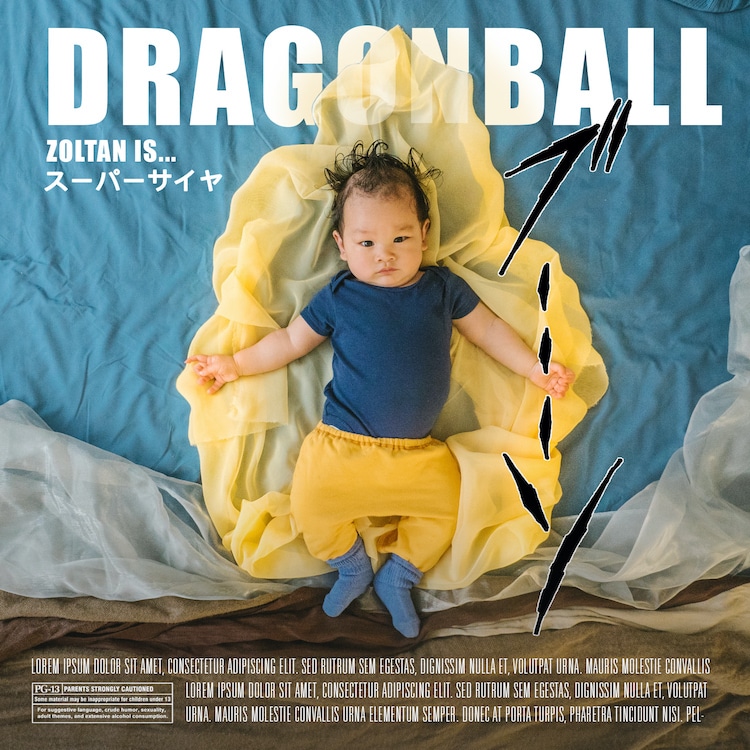

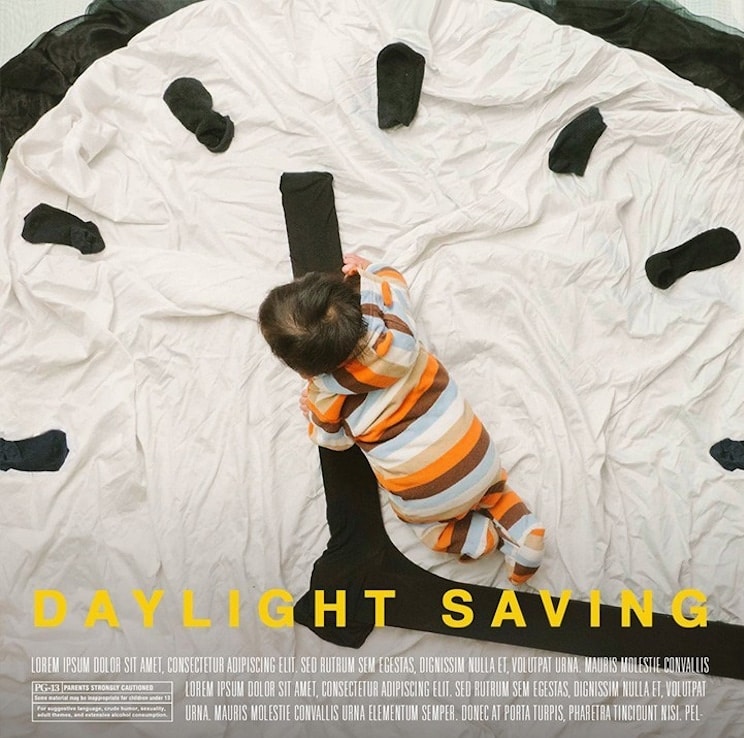
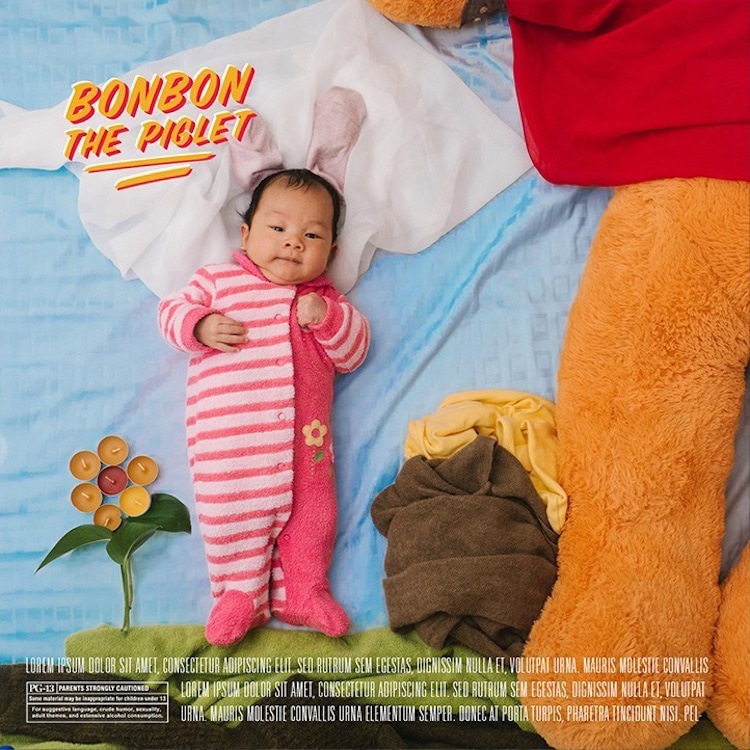
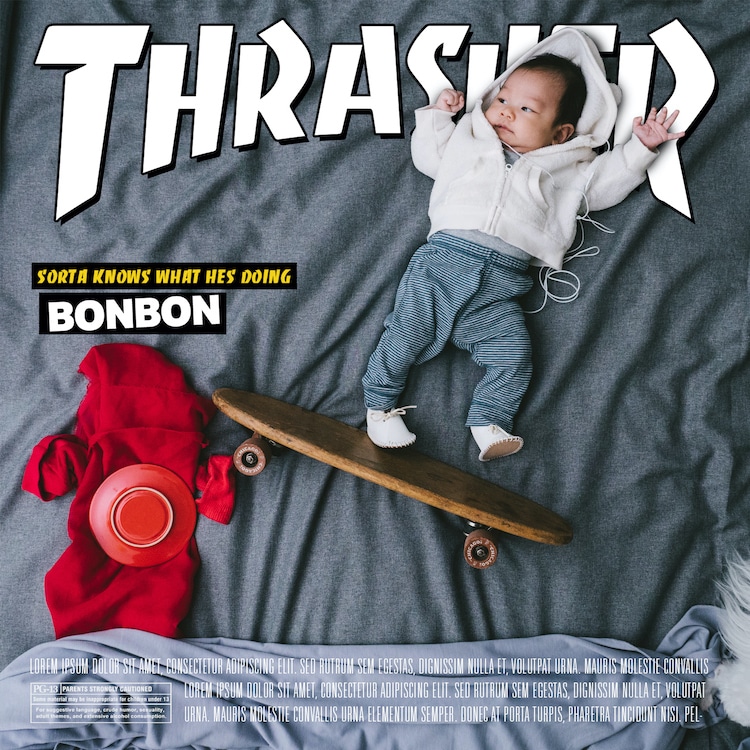
Social media have grasped the attention for everyone to pose for good pictures. How can the parents be not in the queue to present their kids as “star”? We are living in the era where we spent most of our times in browsing and scrolling, we see the parents posting on Instagram every chronic moment of their newborn baby’s growth by using different backdrops and propositions.  That’s what designer Benson Chou and his wife did with their kid in a different way. They themselves have admitted that “they might have gone too far” in capturing their baby in a unique way. They starred their son Zoltan (aka Bonbon) in 52 movie posters within a year, starting from a superman’s poster to skateboard grinding. The couple used everyday props to compose every new poster.
Creative Parents Make 52 Movie Posters Starring Their Son for the First 52 Weeks of His LifeWeekly Baby Photo Ideas

Chou recalls that it all started with the new onesie gifted to Bonbon with the buzz lightyear.  As a symbol of gratitude, the parents decided to make a beautiful picture of their 2-month old Zoltan wearing the beautiful outfit. Then, they planned if they are going to shoot the picture why not to shoot it at different place rather than usual bed and floor. Of course, they did.  They used a unique backdrop in which the used scarf to show the planets, ear buds to show the stars, dragged a thermometer to show it as a dropping star, and photoshpopped the picture at the end to add some text on it.
Creative Parents Make 52 Movie Posters Starring Their Son for the First 52 Weeks of His LifeWeekly Baby Photo Ideas
After realizing the picture as an interesting project for themselves, they started to plan a picture of Zoltan every weekend till his first birthday. They themselves found this idea intimidating at first, but in order to keep themselves going on enjoying their kid’s every week, they started parameterizing the project. 
Creative Parents Make 52 Movie Posters Starring Their Son for the First 52 Weeks of His LifeInteresting Baby Photo Ideas
The first thing they prioritized to capture the baby, was not to tire themselves and feeling the task as burden at any time. Secondly, they set the rule to help making the shoots as creative as it could be. The third rule was to shoot the best picture in 30 minutes and not more than that. 
Creative Parents Make 52 Movie Posters Starring Their Son for the First 52 Weeks of His LifeInteresting Baby Photo Ideas
The mom and dad hardbound the photos in a book wrap to commemorate their hard work. However, Chou says, he would not be able to do this again as he is kind of lazy.
Creative Parents Make 52 Movie Posters Starring Their Son for the First 52 Weeks of His LifeBaby Picture IdeasBaby Picture IdeasCreative Baby Photo IdeasCreative Parents Make 52 Movie Posters Starring Their Son for the First 52 Weeks of His LifeCreative Baby Photo Ideas

Pop Culture Dystopia

Pop Culture Dystopia pop-culture-dystopia-14Tragic future is a most loved figure of speech among film chiefs, journalists and specialists alike. Rotting scene, congested shrubberies, and disintegrating ruins make for some entrancing perspectives. In this arrangement, Prague-based 3D artist Filip Hodas envisions regular popular culture symbols as goliath robots, lying deserted and consumed in a tragic scene. 

Inward Worlds Revealed in Michelle Kingdom's Intricate Narrative Embroideries

Inward Worlds Revealed in Michelle Kingdom's Intricate Narrative Embroideries

Los Angeles-based weaving craftsman Michelle Kingdom (already) communicates implicit feelings in scenes made out of ladies encompassed by plants or creatures. Kingdom frequently delineates a performance hero, or various characters taking part in ceremonial exercises. Her creative situations regularly obscure the part of nature as a major aspect of the story, or just utilize it as a beautiful component.
Kingdom utilizes long fastens of string in layered tonal hues to make surface and volume. The craftsman depicts her work in a statement on her website: "I make minor universes in string to catch tricky yet steady inward voices. Artistic pieces, recollections, individual legends, and craftsmanship chronicled references educate the symbolism; melded, these impacts investigate connections, family life and self-recognition."
Kingdom has a performance demonstrate 'Dearer than Truth' at Foley Gallery in New York, on see through May thirteenth. You can see a greater amount of her work on Instagram.
Inward Worlds Revealed in Michelle Kingdom's Intricate Narrative Embroideries

Inward Worlds Revealed in Michelle Kingdom's Intricate Narrative Embroideries


via[thisiscolossal]

in the midst of #deletefacebook, this Designer Envisioned Online Social Networking as sad, Abandoned Motels

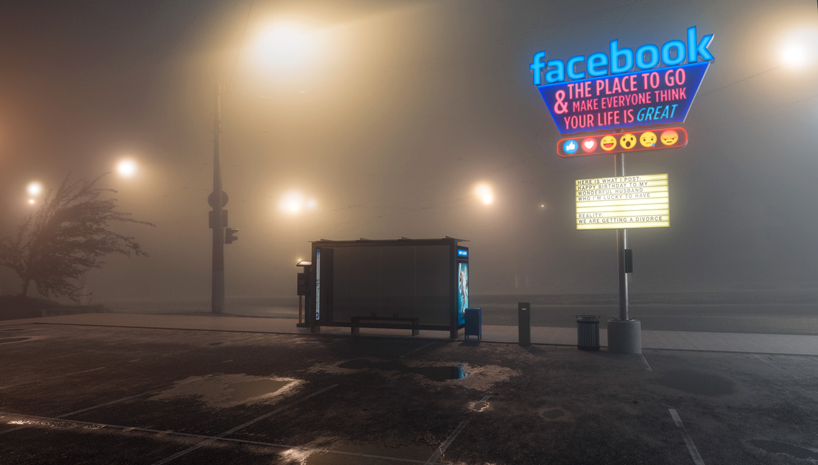
in the midst of #deletefacebook, this Designer Envisioned Online Social Networking as sad, Abandoned Motelsmike campau  We invest energy in web-based social networking, as it were, as online lodgings, however with the #deletefacebook development running amuck, numerous unmistakable influencers are looking at. most-as of late, elon musk and playboy finished their long remains at the facebook-motel. in the interim, instagram nears its pinnacle, twitter gets some footing, snapchat scrambles, and advanced craftsman mike campau deconstructs everything into a progression of discharge parking garages, lit just by edgy neon signage. with every one, he uncovers an alternate tragic truth about standard informal communities.

Miniature Landscape Paintings by Dina Brodsky Chronicles

Miniature Landscape Paintings by Dina Brodsky Chronicleshttps://allworldbest.blogspot.com/b/post-preview?token=U7JyhmEBAAA.ikymu6BrQc0Yo3fqYiuqX2LvQZf1z_91ee8KHasas7gZ7bL4ASat0imCvwVQCS2HpGg3ostxFdryXV1xcKCPPw.6N5FVnVaez3qFVT3bOBkoA&postId=8519870738053177069&type=POST
These miniature landscape paintings are made by a very talented painter Dina Brodsky (previous). She records travel memories from long distance bicycling trips in small circular oil paintings.
Paintings from this series are on view until March 4th in the show Cycling Guide to Lilliput at Pontone Gallery in London. Brodsky also shares her work on Instagram, and offers prints of select paintings in her Etsy shop.

Amazing Paper Puppets with Unexpected Behaviors by Haruki Nakamura

Amazing Paper Puppets with Unexpected Behaviors by Haruki Nakamura
Animal Puppets Karakuri Kirigami Paper Dolls Haruki Nakamura
In his menagerie of moveable animal puppets, Japanese designer Haruki Nakamura adds a mechanical touch to the ancient art of paper crafting. Inspired by kirigami—an origami-like technique that employs cuts in addition to folds—Nakamura creates paper dolls that move in unexpected and unusual ways. 

Quran Majeed written with Golden Paint on Black Silk

Quran Majeed written with Golden Paint on Black Silk
I still remember the first moment I came across Tünzale Memmedzadə’s work. It wasn’t in a gallery, nor in an art catalogue—it was a single photograph shared online, showing a page of the Qur’an written in shimmering gold on deep black silk. At first glance, I thought it was an ancient manuscript resurfacing after centuries of silence. But then I learned the truth behind this breathtaking piece: it was created recently, by a 33-year-old artist from Azerbaijan, working alone, quietly, patiently, and with a kind of devotion rarely seen in modern times.

Her name was Tünzale Memmedzadə—an artist, a calligrapher, and above all, someone who believed that sacred words deserved a sacred canvas.

The story began when she decided to challenge herself with something extraordinary. She wanted to create a Qur’an unlike anything the world had seen in centuries. Instead of paper, she chose black silk—the fabric once worn by royalty and used in some of the oldest Islamic manuscripts. Instead of ordinary ink, she turned to delicate gold and silver paint, each stroke shimmering under the softest light.

The process was not easy. The Qur’an contains more than 600 pages, and every line must be written with precision, balance, and respect. Tünzale spent three full years working on this project. Day after day, she sat with the silk layered carefully on her table, ensuring the fabric stayed smooth while she painted verses from the Holy Book. Some days she managed a page; on others, she spent hours correcting the tiny curves of a single letter.

What impressed me most was not just the beauty of the result—but the purity of her intention. She wasn’t trying to become famous or break a record. She wanted to honor the Qur’an with her art, to remind people that the relationship between spirituality and creativity has always been a part of Islamic history.

Quran Majeed written with Golden Paint on Black Silk
As I read more about her journey, I realized something: this wasn’t just a project. It was an act of worship, patience, and love. And the world noticed. Photographs of her silk Qur’an began circulating widely, earning admiration from scholars, artists, and everyday people alike. Many called it one of the most unique modern Qur’an manuscripts ever created. Some even compared it to museum treasures from the Abbasid and Ottoman eras.

Yet when she spoke about her work, Tünzale remained humble. She simply said she wanted to show the beauty of the Qur’an in a new way—one that connected the past to the present, tradition to innovation, and spirituality to creativity.

Today, her masterpiece stands as a tribute not just to her skill, but to the power of determination. Every page she painted whispers a story of patience, devotion, and courage—the courage to take on a task that most would consider impossible.

And maybe that’s why her work feels so unforgettable. It reminds us that even in a fast-paced world, there are still people willing to dedicate years of their life to something meaningful—something that lights the heart like gold on silk.
 Quran Majeed written with Golden Paint on Black Silk
 Quran Majeed written with Golden Paint on Black Silk
 Quran Majeed written with Golden Paint on Black Silk
Quran Majeed written with Golden Paint on Black Silk
Via[RedditImgur]