The Guardians of Rome: Limes Arabicus - A Line of Fortresses Safeguarding Against Desert Tribes
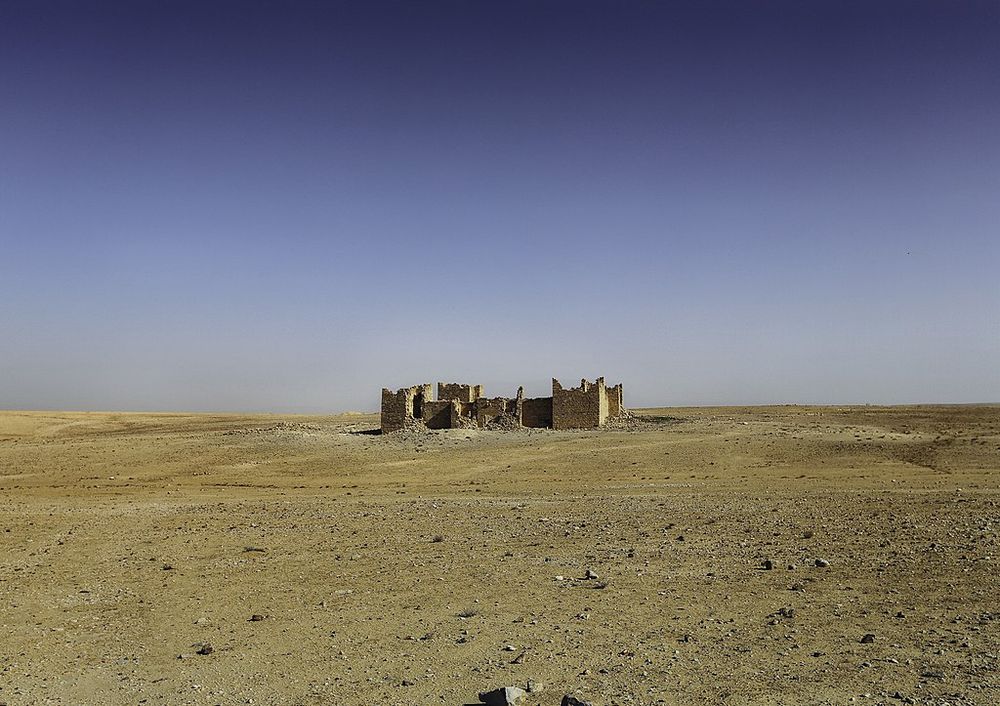
Ruins of the castellum of Qasr Bashir. Photo: Bashar Tabbah/Wikimedia
The Roman Empire, known for its vast expanse and military might, faced numerous challenges in maintaining control over its territories. One of the most significant threats came from the desert tribes that inhabited the arid regions surrounding the empire. To safeguard their territories from these nomadic tribes, the Romans constructed a formidable line of fortifications known as Limes Arabicus.
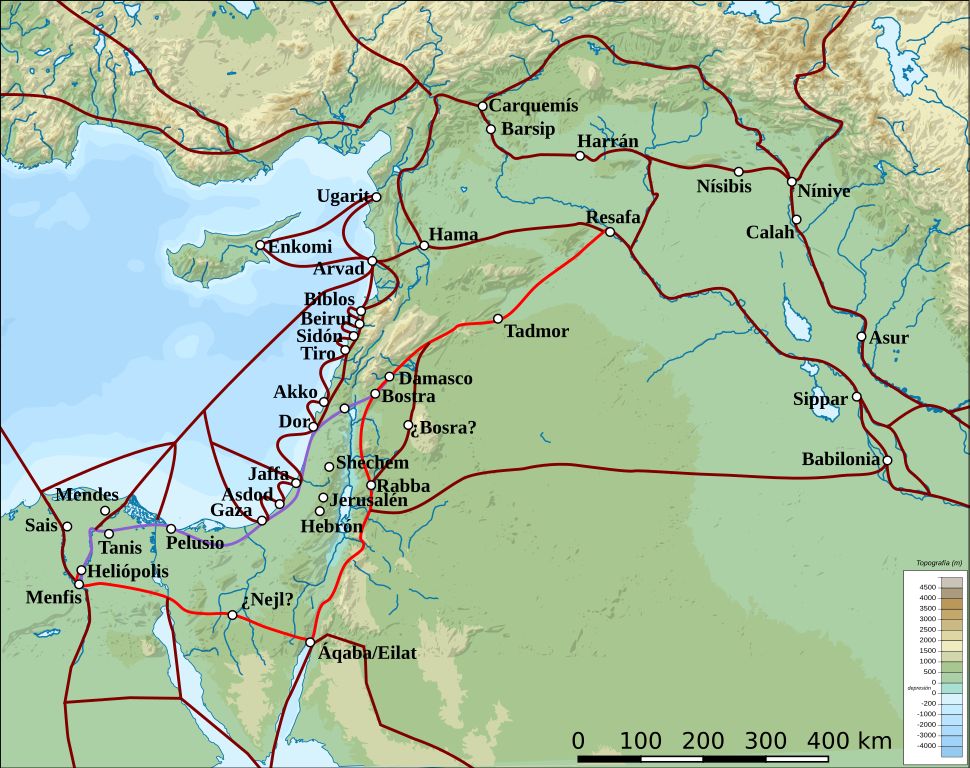
King's Highway (in red), and other ancient Levantine trade routes, c. 1300 BCE. Image credit: Briangotts, rowanwindwhistler/Wikimedia
Limes Arabicus was a network of fortresses, walls, and watchtowers that stretched across the frontier of the Roman province of Arabia Petraea, which encompassed parts of modern-day Jordan, Saudi Arabia, and Israel. Built during the 2nd and 3rd centuries AD, this defensive system played a vital role in protecting the Roman territory from the raids and incursions of desert tribes.

The Fortress of Qasr Bshir. Photo: Bashar Tabbah/Wikimedia
The primary purpose of Limes Arabicus was to act as a physical barrier, preventing unauthorized entry into the Roman province. It served as a deterrent, demonstrating the power and determination of the Roman Empire to maintain control over its territories. Moreover, it established a clear boundary that demarcated the Roman sphere of influence from the tribal territories beyond.
The construction of Limes Arabicus was an engineering marvel of its time. The fortifications varied in design and structure depending on the terrain and the strategic importance of the location. In some areas, massive stone walls were erected, reinforced with towers and bastions, while in others, natural features such as cliffs and ravines were utilized to create natural barriers. The fortresses along the line were strategically positioned to provide maximum visibility and defense, enabling efficient communication and coordination between the garrisons.
The fortresses themselves were equipped with all the necessary facilities to sustain the Roman soldiers stationed there. They had barracks, granaries, storage facilities, stables, and even water supply systems. These fortifications served as military bases from which Roman troops could launch counterattacks, conduct reconnaissance, and maintain a constant presence in the region.
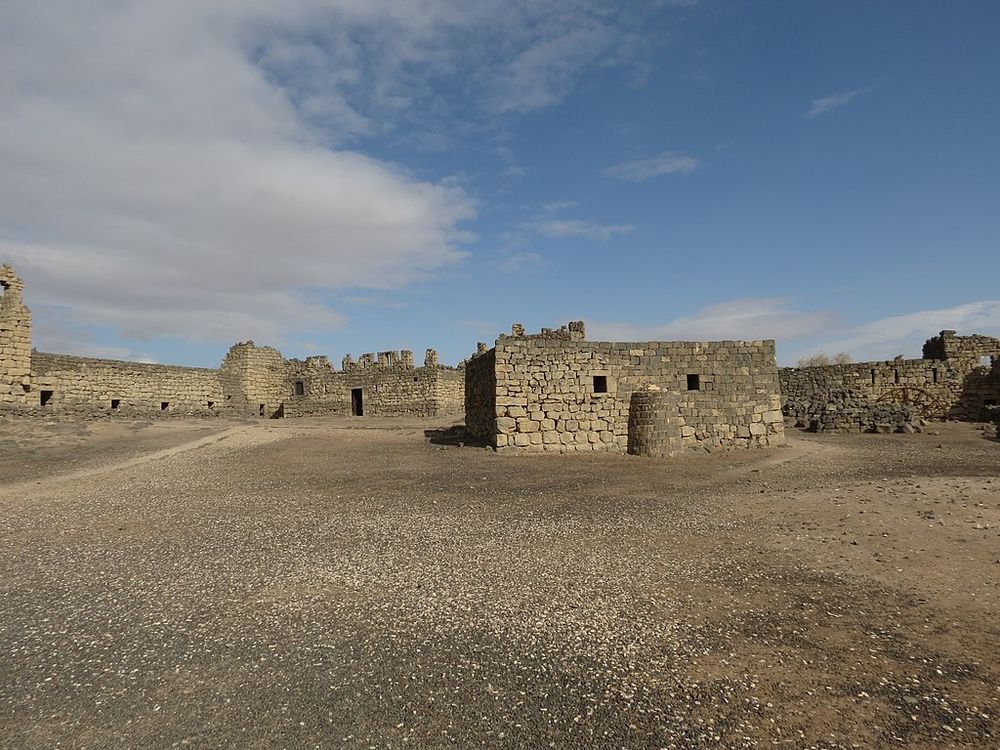
Roman fortress of Qasr Azraq. Photo: xorge/Wikimedia
Limes Arabicus not only protected the Roman territories but also facilitated trade and communication between the empire and the tribal regions beyond. Along the defensive line, the Romans established roads and checkpoints that allowed authorized traders and messengers to pass through safely. This not only enhanced economic activities but also fostered cultural exchanges between the Romans and the desert tribes, leading to the assimilation of certain tribal elements into the Roman society.
The existence of Limes Arabicus had a profound impact on the stability and longevity of the Roman Empire in the region. The fortifications acted as a psychological barrier, dissuading potential invaders and ensuring the security of the Roman province. This allowed the empire to focus its resources on other regions and conflicts, confident in the knowledge that its frontier was well-guarded.

The Fortress of Qasr Bshir. Photo: Mike Bishop/Wikimedia
However, Limes Arabicus was not invincible. The desert tribes were resourceful and persistent in their attempts to breach the defenses. The Roman soldiers stationed along the line faced constant threats and had to remain vigilant. Nevertheless, the fortifications provided a significant advantage to the Romans, making any hostile incursions difficult and costly for the desert tribes.
Over time, the importance of Limes Arabicus diminished as the political and military landscape of the region changed. The decline of the Roman Empire and the rise of new powers eventually led to the abandonment of the fortifications. Today, remnants of Limes Arabicus stand as a testament to the ingenuity and military prowess of the Romans.
.JPG)


.jpg)
_(13252577693).jpg)

No comments:
Post a Comment
Note: only a member of this blog may post a comment.