Showing posts with label Wonders. Show all posts

The Enigmatic Wadden Sea: A Natural Treasure of the North Sea

 The Enigmatic Wadden Sea: A Natural Treasure of the North Sea
A group of mudflat hikers on the Wadden Sea near Pieterburen, Netherlands. Photo credit: Wikimedia

The Wadden Sea is not just another stretch of coastline; it’s one of Earth’s most fascinating and dynamic ecosystems. Stretching along the coasts of the Netherlands, Germany, and Denmark, this unique intertidal zone is where the land and sea engage in an eternal dance of tides, wind, and sediment. Recognized as a UNESCO World Heritage Site, the Wadden Sea remains a testament to nature’s resilience and beauty—a living landscape that constantly reshapes itself and sustains a rich tapestry of life.

A Landscape Sculpted by Tides
Unlike most coastal areas, the Wadden Sea is in a state of continuous transformation. Twice each day, the tides reveal vast mudflats, sandbanks, and salt marshes, only to submerge them again under shallow seawater. This rhythmic ebb and flow have shaped the region for thousands of years, creating a unique ecosystem that supports countless species of plants, animals, and migratory birds.
The word “Wadden” comes from the Dutch term “wad,” meaning “mudflat.” These mudflats, though seemingly desolate, are teeming with life. Beneath the surface lies a thriving microcosm of worms, mollusks, and crustaceans—an all-you-can-eat buffet for millions of migratory birds that travel from as far as Siberia and Africa. Each year, the Wadden Sea becomes a crucial refueling station for over 10 million birds, making it one of the most important wetlands in the world.

 The Enigmatic Wadden Sea: A Natural Treasure of the North Sea

Photo credit: in_case_of/Flickr

The Hidden World Beneath the Surface
What makes the Wadden Sea truly extraordinary is its ecological complexity. It’s not just about what’s visible to the eye—the real magic happens beneath the mud. Tiny organisms constantly process nutrients, maintaining the balance of this fragile ecosystem. Algae and plankton provide the base of the food chain, while seals, porpoises, and fish thrive in its shallow waters.
For marine biologists, the Wadden Sea serves as an open-air laboratory, offering invaluable insights into tidal processes, species adaptation, and the effects of climate change. It’s a living classroom that reveals how delicate and interconnected life on Earth truly is.

A Haven for Biodiversity
Despite its harsh conditions—where salinity, temperature, and oxygen levels fluctuate dramatically—the Wadden Sea supports remarkable biodiversity. More than 10,000 plant and animal species have been recorded here, from delicate sea lavender and eelgrass meadows to common seals basking on sandbanks.
Its salt marshes, often overlooked, act as natural barriers against storm surges and coastal erosion, while also providing breeding grounds for birds and nurseries for fish. This intricate balance between land and sea forms one of the last great natural wildernesses in Western Europe.

Human Connection and Conservation Efforts
For centuries, people living along the Wadden Sea coast have depended on its resources. Fishing, oyster farming, and salt extraction were once central to coastal communities. However, these traditional livelihoods often clashed with conservation goals as overfishing and land reclamation began to threaten the delicate ecosystem.
Fortunately, international cooperation has shifted the focus toward preservation. In 2009, UNESCO declared the Wadden Sea a World Heritage Site, acknowledging its global ecological significance. The Wadden Sea Secretariat now oversees collaborative efforts among Denmark, Germany, and the Netherlands to ensure sustainable tourism, habitat protection, and biodiversity monitoring.
This partnership represents a global model for cross-border conservation—a reminder that nature knows no political boundaries.

Challenges in the Modern Era
Despite strong conservation measures, the Wadden Sea faces growing challenges. Rising sea levels, increased storm activity, and human-induced pollution threaten to disrupt its fragile balance. Climate change, in particular, poses an existential risk, altering tidal patterns and eroding habitats.
Plastic waste and chemical pollutants have also infiltrated the food chain, impacting both wildlife and human health. Conservationists argue that maintaining the Wadden Sea’s health requires global awareness and local responsibility. Every small action—reducing plastic use, supporting sustainable seafood, and respecting protected zones—can make a difference.

A Destination Beyond Tourism
While the Wadden Sea attracts tourists for its natural beauty, it offers more than scenic views. Visitors can walk across the exposed seabed during low tide, known as “mudflat hiking,” an otherworldly experience that connects humans directly with the rhythm of nature. It’s not uncommon to see seals lounging lazily on sandbanks or hear the haunting calls of curlews echoing across the flats.
Eco-tourism initiatives have flourished, emphasizing education, sustainability, and respect for wildlife. Guided tours allow visitors to understand the delicate ecosystem while minimizing their impact—a rare opportunity to witness nature’s intricate balance firsthand.

The Deeper Meaning of the Wadden Sea
The Wadden Sea is more than a geographical wonder—it’s a symbol of endurance and harmony between nature and humanity. In a world grappling with environmental degradation, it stands as a living reminder that coexistence is possible when respect, awareness, and stewardship guide our actions.
For those who walk its endless shores or watch the tides sweep across its horizon, the Wadden Sea offers a profound sense of connection. It reminds us that even the most dynamic and shifting landscapes can hold timeless lessons about resilience, adaptation, and renewal.

Conclusion: Nature’s Living Symphony
The Wadden Sea continues to enchant scientists, conservationists, and travelers alike. Its vastness, its rhythm, and its fragile beauty make it one of the most inspiring natural treasures of our planet. To preserve it is to protect not only an ecosystem but also a story of life that has evolved in harmony with the tides for millennia.
In the end, the Wadden Sea teaches us something deeply human—that true strength lies in balance. And as long as the tides continue their eternal dance, this remarkable coastal world will keep whispering its timeless secrets to those who choose to listen.

 The Enigmatic Wadden Sea: A Natural Treasure of the North Sea
 The Enigmatic Wadden Sea: A Natural Treasure of the North Sea
 The Enigmatic Wadden Sea: A Natural Treasure of the North Sea
 The Enigmatic Wadden Sea: A Natural Treasure of the North Sea 
Photo credit: Thijs Knaap/Flickr
 The Enigmatic Wadden Sea: A Natural Treasure of the North Sea
Photo credit: George/Flickr
 The Enigmatic Wadden Sea: A Natural Treasure of the North Sea
Photo credit: George/Flickr
 The Enigmatic Wadden Sea: A Natural Treasure of the North Sea

Photo credit: Alexander Fink/Flickr

Purton Hulks: Where Ships Sleep Forever

Purton Hulks: Where Ships Sleep Forever
A section of the port side hull of the two masted schooner "Dispatch" at Purton. Photo credit: R~P~M/Flickr

Along the quiet banks of the River Severn in Gloucestershire, England, lies a place where time appears to stand still — a haunting stretch of shoreline known as Purton Hulks. Here, more than 80 shipwrecks rest side by side, their skeletal remains slowly merging with the earth. Once proud vessels that sailed Britain’s waterways, they now form one of the most remarkable maritime graveyards in the world — a poignant reminder of history, resilience, and the impermanence of human endeavor.

The story of Purton Hulks is not just about decay. It’s about ingenuity born out of necessity, about how old ships were given a second life as protectors of the land they once served. Over time, this accidental armada became a living museum — a place where rust and silt preserve the silent echoes of Britain’s industrial past.

A River of History

The River Severn, the longest river in Great Britain, has long been both a giver and taker of life. Its strong tides and unpredictable currents have shaped countless stories along its banks — of trade, tragedy, and transformation. In the late 19th and early 20th centuries, the Severn was a vital artery for commerce, carrying timber, coal, and grain between the Midlands and the Bristol Channel. But as railways grew and ships became larger, many smaller vessels fell out of use.

Rather than letting them rot in distant harbors, authorities found an ingenious solution: to beach the old ships along the Severn’s banks to stop erosion threatening the Sharpness Canal — a vital trade route running parallel to the river. Thus began the creation of the Purton Ships’ Graveyard.

Keywords: Purton Hulks, River Severn ship graveyard, Sharpness Canal history, abandoned ships in England, maritime heritage UK, Purton ships Gloucestershire.


Purton Hulks: Where Ships Sleep Forever
A ferro concrete barge at Purton. Photo credit: Nick/Flickr

From Lifelines to Lifesavers

The first ship was deliberately beached at Purton in 1909. Over the next 60 years, more followed — wooden barges, steel schooners, and concrete ships — all sent here to serve a final purpose. Each was guided into position during high tide, then left to settle into the mud as the water receded. Their hulks became a barrier, absorbing the river’s powerful flow and preventing the fragile canal embankment from collapsing.

What’s fascinating is how these vessels transformed the landscape itself. Over time, the mud filled their hulls, grass grew over their decks, and trees took root among the ribs of iron and oak. The ships became one with the land — an accidental engineering marvel and a natural sculpture park unlike any other in Britain.

The Ghost Fleet of Purton

Walking through Purton today feels like stepping into another world. The once-busy canal runs quietly beside the river, while the hulks rise like skeletons from the mud. Their names — DispatchSevern CollierArdmoreKennet, and Dane — are faded but not forgotten.

Some ships date back to the late 1800s, while others were added well into the 1960s. Wooden keels lie half-buried, steel frames rust into red lace, and concrete vessels — built during wartime shortages — remain eerily intact. The variety of construction tells the story of Britain’s shifting maritime industry, from the age of timber and sail to iron and steam.

Each wreck holds its own tale. Some were coastal traders that hauled cargo for decades before being retired here. Others, like the Sabrina 5, carried ammunition during World War II. One barge even transported oil drums for the Ministry of Supply. Together, they form a collage of British industrial history, preserved not in museums but in the mud of Purton.

Purton Hulks: Where Ships Sleep Forever
The remains of the “Severn Collier.” Photo credit: Nick/Flickr

Preserving the Forgotten Fleet

In the 1990s, as erosion and time continued to threaten what remained of the hulks, a local historian named Paul Barnett began meticulously documenting each vessel. His research led to the recognition of Purton as a site of historical importance — a treasure trove for archaeologists, engineers, and maritime enthusiasts alike.

Thanks to community efforts and the Purton Ships’ Graveyard Society, many of these vessels have now been cataloged and mapped. Wooden plaques mark their positions, telling visitors their stories. What was once dismissed as a scrapyard is now celebrated as Britain’s largest ship graveyard and one of the most accessible examples of maritime preservation in the world.

Nature Takes the Helm

Over time, the Purton Hulks have transformed from mechanical remains into an ecological haven. The decaying wood and metal have become homes for wildflowers, moss, and nesting birds. Foxes and rabbits burrow between the ribs of old barges, while the Severn’s tides wash gently against the remains.

This fusion of nature and industry creates a hauntingly beautiful scene — a reminder of how life reclaims what humans leave behind. The once-proud ships, stripped of sails and cargo, now nurture new forms of existence. Their slow surrender to the elements mirrors the rhythm of the river itself — relentless, patient, eternal.

The Silent Beauty of Decay

There’s something deeply moving about standing among the Purton Hulks at sunset. The tide pulls away, revealing rusted hulls glistening in the golden light. The silence is heavy, yet filled with whispers — the echoes of engines, footsteps, and laughter from a time long gone. For photographers, historians, and wanderers, the site offers a surreal blend of nostalgia and poetry.

Unlike traditional museums, Purton asks nothing of its visitors — no tickets, no glass cases, no guides. It invites you to explore, to imagine, and to listen to the quiet dialogue between history and nature.

Purton Hulks: Where Ships Sleep Forever
Photo credit: R~P~M/Flickr

Echoes of a Changing World

The story of Purton is also the story of change — of how progress often leaves pieces of the past behind. These ships once powered Britain’s economy, connecting communities through trade and transport. When technology rendered them obsolete, they found a new purpose: to protect the very canals they once sailed through.

In their decay lies a powerful message — that even in endings, there can be renewal. The Purton Hulks embody the idea of sustainability before it was fashionable — reusing what already existed to protect the environment and preserve the landscape.

The remains of a barge, FCB 75, at Purton. Photo credit: Alison Thompson/Flickr

Purton Hulks: Where Ships Sleep Forever
The wooden dock lighter "Huntley" seen from the bow at Purton. In the background is the remains of the schooner "Dispatch". Photo credit: R~P~M/Flickr

Purton Hulks: Where Ships Sleep Forever
A ferro concrete barge at Purton. Photo credit: Nick/Flickr

A Living Memorial

Today, the Purton Hulks attract visitors from around the world — not just for their eerie beauty but for what they represent: resilience, history, and the cycle of life. The site stands as a living memorial to Britain’s maritime legacy, offering a glimpse into the ingenuity of a past era and the humility of nature’s reclamation.

When you walk among these weathered remains, you’re not just witnessing decay — you’re standing in the middle of a dialogue between human achievement and the forces of time. The river flows, the ships sink, and yet, the story endures.

Conclusion: Where History Meets Eternity

The Purton Hulks are more than abandoned ships — they are storytellers, guardians, and relics of a time when Britain’s waterways carried the pulse of a nation. Their rusting hulls remind us that even the mightiest creations eventually rest, merging back into the earth that gave them purpose.

In their stillness, they speak volumes. They remind us that history doesn’t always fade away — sometimes, it simply waits by the water’s edge.

Purton Hulks: Where Ships Sleep Forever
The remains of the “Severn Collier.” Photo credit: Nick/Flickr

Purton Hulks: Where Ships Sleep Forever

The “Harriett”. Photo credit: R~P~M/Flickr


Capua's Ancient Amphitheater: A Roman Landmark of Historic Significance

Capua's Ancient Amphitheater: A Roman Landmark of Historic Significance
In the heart of southern Italy lies a monument that once echoed with the roars of thousands — a place where gladiators rose to fame and legends were born. The Amphitheater of Capua, often overshadowed by Rome’s Colosseum, is one of the most remarkable and underappreciated architectural feats of the Roman Empire. Standing in Santa Maria Capua Vetere, this grand structure predates the Colosseum itself and served as a prototype for Rome’s most famous arena. Yet, beyond its scale and splendor, Capua’s amphitheater holds the untold stories of courage, cruelty, and the cultural heartbeat of an empire obsessed with spectacle. Above Photo: Nicola D'Orta/Wikimedia
The Birth of a Roman Marvel
Capua’s history stretches deep into antiquity. Once one of the wealthiest and most influential cities of ancient Italy, Capua was a key ally — and occasionally a rival — of Rome. By the 1st century BCE, the city’s prosperity and strategic location made it an ideal candidate for monumental construction. Thus, the Amphitheater of Capua was born — an architectural statement of power, artistry, and civic pride.
Built during the reign of Augustus and later reconstructed under Emperor Hadrian and Antoninus Pius, the amphitheater became one of the largest in the Roman world. Measuring approximately 170 meters long and 140 meters wide, it could hold over 60,000 spectators, nearly rivaling the Colosseum’s capacity. Crafted primarily from limestone and adorned with intricate marble statues, the arena stood as a centerpiece of Roman urban life in Campania.
Architectural Brilliance Beyond Its Time
What sets the Amphitheater of Capua apart from its counterparts is its innovative design. Historians believe that many features of the Colosseum — including the underground hypogeum (a network of tunnels and cages used for animals and stage effects) — were first tested here. The structure’s complex system of ramps, lifts, and trapdoors made it a marvel of ancient engineering.
The outer façade once displayed 80 arches across four levels, decorated with Corinthian columns and statues of deities and heroes. Today, only fragments remain, but even in ruin, the amphitheater exudes grandeur. Walking through its arched corridors, one can almost hear the distant clash of swords and the cheers of a crowd intoxicated by the thrill of combat.
The Gladiators of Capua: Legends of Blood and Honor
Perhaps the most fascinating chapter of Capua’s story is its connection to gladiators. The city housed one of the largest and most prestigious gladiator schools (ludus) in the Roman Empire. It was here, around 73 BCE, that Spartacus, a Thracian slave and gladiator, led a rebellion that would shake Rome to its core.
The Spartacus Revolt, also known as the Third Servile War, began in Capua when Spartacus and roughly 70 of his fellow gladiators escaped their confinement, armed initially with kitchen knives. Their uprising grew into a massive revolt of slaves and disillusioned soldiers that challenged Roman authority for nearly two years. The echoes of that defiance still linger in the stones of Capua — a reminder that this arena was not just a place of entertainment, but also a crucible of freedom and resistance.
Life and Death in the Arena
In its prime, the amphitheater hosted a dizzying array of spectacles — from gladiatorial duels to wild beast hunts and public executions. These events weren’t merely for leisure; they were deeply political and symbolic. They reinforced Rome’s dominance, celebrated imperial victories, and demonstrated the empire’s ability to control both man and beast.
The games at Capua were often lavish affairs, funded by wealthy magistrates seeking public favor. Exotic animals were imported from Africa and the East — lions, leopards, and elephants — adding exoticism and danger to the performances. The crowds demanded blood, and the amphitheater delivered. Yet, amid the brutality, there was an undeniable artistry to the choreography of battle — a dark dance that mirrored the discipline and order of Roman life itself.

Capua’s Decline and Rediscovery
Like many Roman cities, Capua’s fortunes waned with the fall of the empire. Earthquakes, invasions, and neglect slowly reduced the once-mighty amphitheater to ruins. During the Middle Ages, its stones were repurposed to build churches and fortifications, leaving behind a hollow shell of its former self.
However, the amphitheater never vanished completely from memory. Renaissance scholars and antiquarians rediscovered its remains, recognizing its architectural importance. Excavations in the 18th and 19th centuries uncovered mosaics, inscriptions, and sculptures, shedding light on the lives of those who built and fought within its walls. Today, archaeologists continue to uncover artifacts that reveal the amphitheater’s role as both a cultural and spiritual hub of Roman Capua.
The Capuan Amphitheater vs. The Colosseum
While the Colosseum in Rome often steals the spotlight, the Capuan Amphitheater deserves equal admiration. In fact, it is believed that Emperor Vespasian’s architects studied Capua’s design before constructing the Colosseum. The amphitheater in Capua was not just a precursor — it was a blueprint that influenced the architectural evolution of Roman entertainment spaces.
Unlike the Colosseum, Capua’s arena is less commercialized and more intimate. Visitors can explore the underground passages, touch the ancient stones, and imagine the intensity of the spectacles that once unfolded there without the barriers of modern tourism. It offers a purer, more contemplative experience — one where history feels alive and immediate.
Preservation and Tourism Today
Today, the Anfiteatro Campano (as it is locally known) is a protected archaeological site managed by the Italian Ministry of Culture. Restoration projects have stabilized parts of the structure, and an on-site museum displays artifacts including gladiator helmets, weapons, pottery, and inscriptions.
Visitors can wander through the amphitheater’s vast tunnels and stands, feeling the weight of history under their feet. The site also hosts occasional cultural events — concerts, exhibitions, and guided tours — aimed at rekindling interest in Capua’s forgotten glory.
Despite its relative obscurity, Capua’s amphitheater is gaining recognition as travelers seek authentic, less-crowded destinations rich in history. It represents the soul of ancient Italy — powerful, dramatic, and profoundly human.
A Legacy Set in Stone
Capua’s Ancient Amphitheater is more than a ruin; it is a living reminder of human ambition and impermanence. It tells the story of a civilization that sought meaning in spectacle and power in architecture. From Spartacus’s defiance to the grand games of emperors, the arena’s stones bear witness to humanity’s endless pursuit of glory.
As sunlight filters through its crumbling arches, illuminating wildflowers that now bloom where gladiators once stood, Capua feels less like a relic and more like a reflection — of the rise and fall of empires, and of the eternal rhythm of history itself.

Capua's Ancient Amphitheater: A Roman Landmark of Historic Significance
Amphitheater undergrounds. Photo: Saverio.G/Wikimedia

Burana Tower: Echoes of the Silk Road in Kyrgyzstan

Burana Tower: Echoes of the Silk Road in Kyrgyzstan 

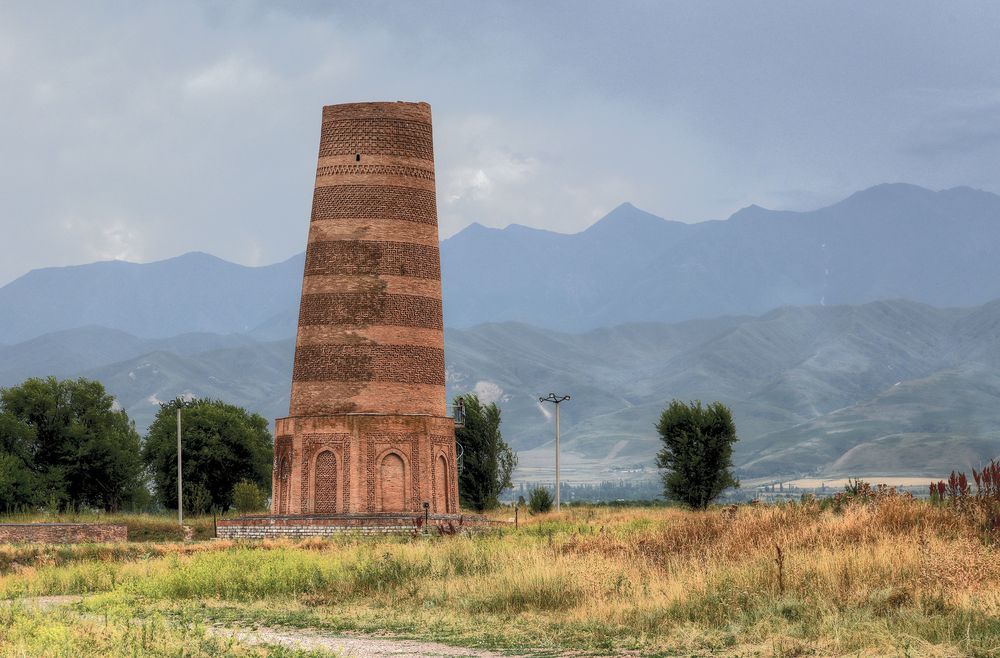
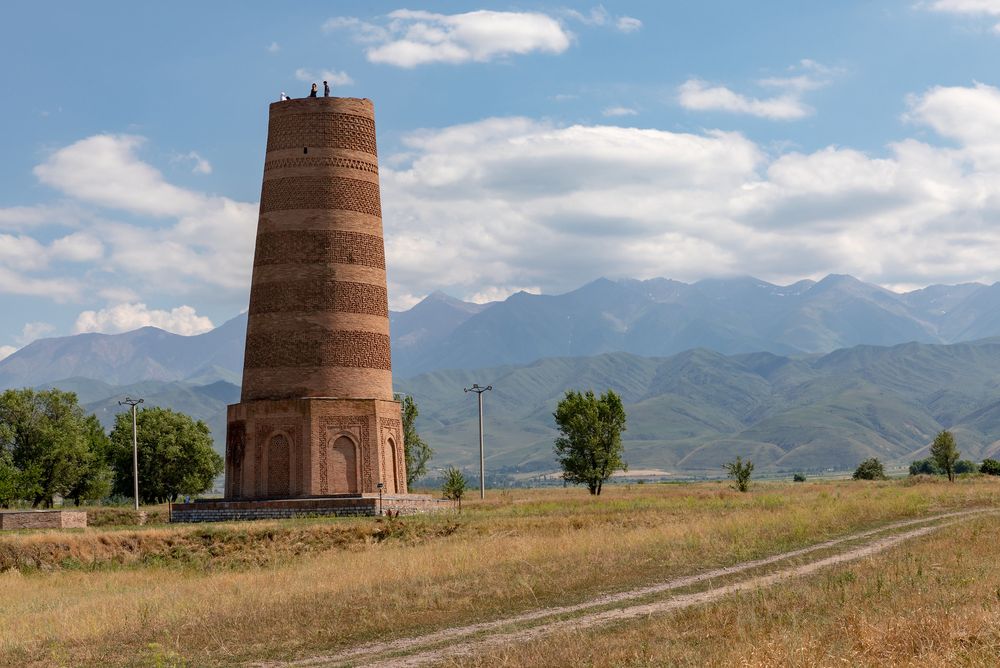
Nestled amidst the picturesque landscape of Kyrgyzstan, the Burana Tower stands as a remarkable testament to the region's rich history and cultural heritage. Located near the city of Tokmok in the Chuy Valley, this ancient architectural marvel holds within its walls the echoes of the Silk Road and the stories of countless travelers who once passed through these lands. With its majestic presence, intricate craftsmanship, and historical significance, the Burana Tower invites visitors on a journey through time, offering a glimpse into Kyrgyzstan's fascinating past.

Above Photo: Thomas Depenbusch/Flickr


Burana Tower: Echoes of the Silk Road in Kyrgyzstan 

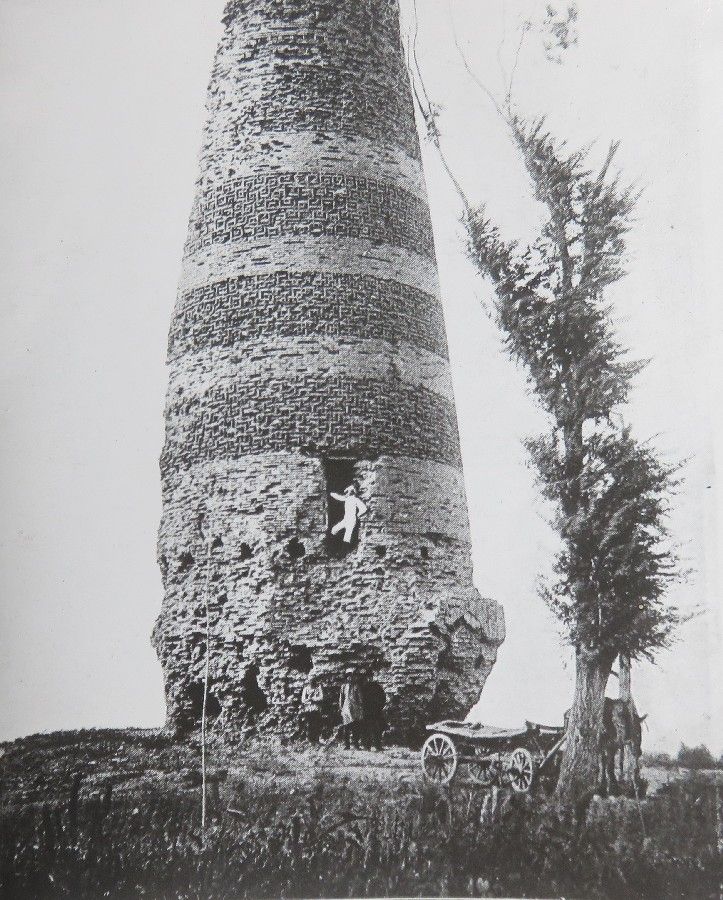
Burana tower before restoration works. Photo: kyrgyzstan-tourism.com

Architectural Splendor:


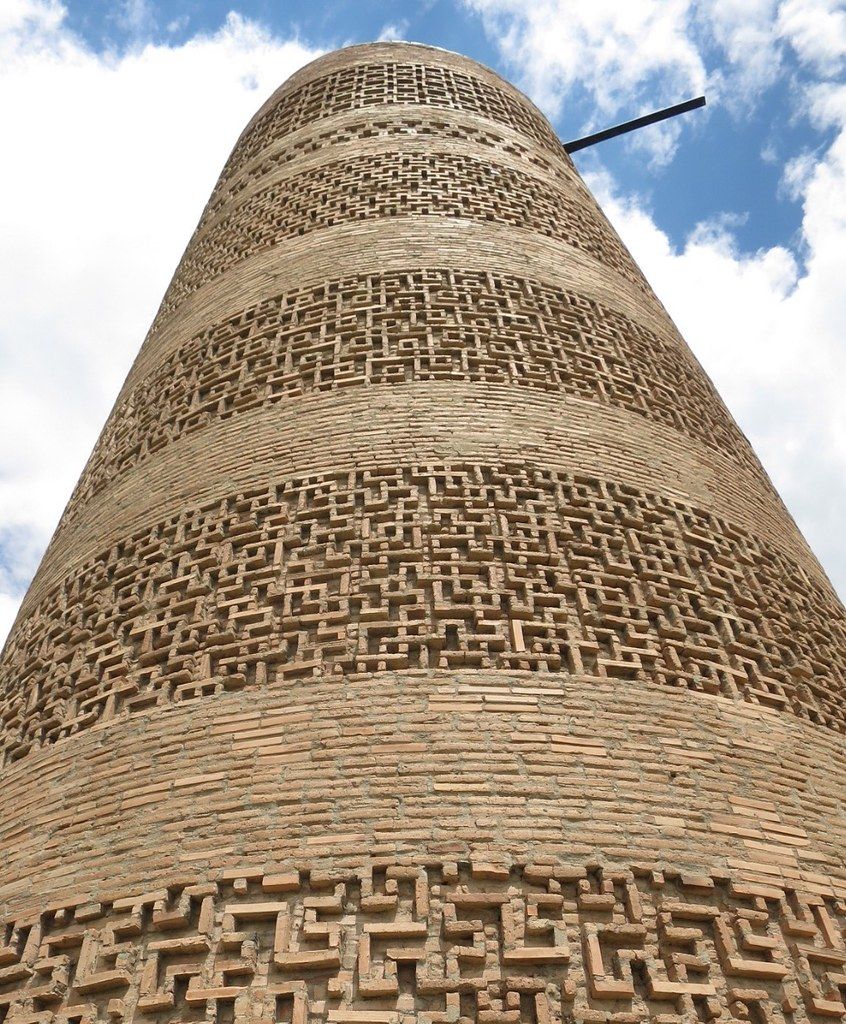
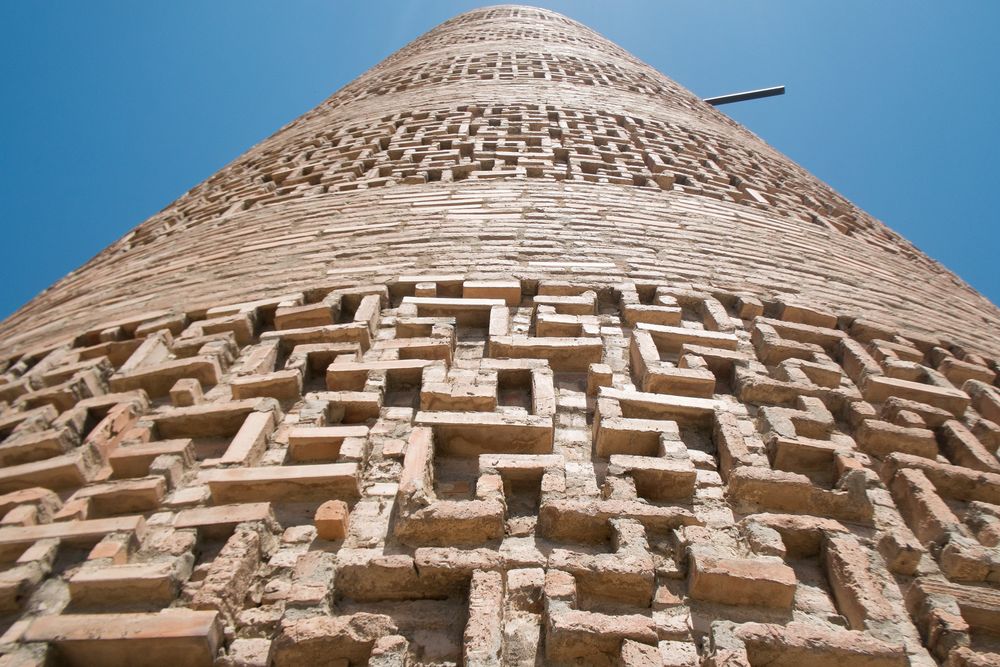
Rising to a height of 24.6 meters, the Burana Tower stands as a testament to the architectural prowess of its time. Built with layers of baked bricks and adorned with intricate decorative motifs, the tower showcases a blend of Islamic and Turkic architectural styles. Its graceful proportions and geometric patterns serve as a reminder of the skilled craftsmanship and artistic sensibilities of the artisans who created it.


Exploring the Burana Complex:


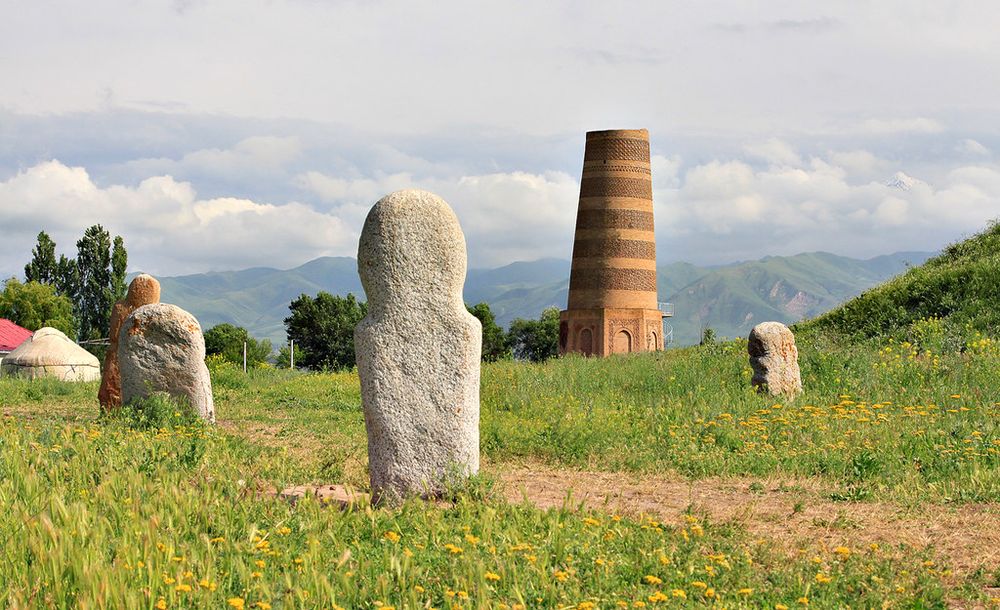
The Burana Tower is just one part of a larger archaeological complex that encompasses the remnants of the ancient city of Balasagun. As visitors explore the site, they can marvel at the stone foundations of once-thriving buildings, wander among the stone balbals (Turkic grave markers), and envision the bustling life that once thrived here. The nearby museum further enriches the experience, offering insights into the region's history and displaying artifacts discovered during archaeological excavations.


Unraveling the Mysteries:


While the Burana Tower has stood the test of time, its origins and purpose remain shrouded in mystery. Various theories exist regarding its function, ranging from a watchtower and minaret to a place of worship. The tower's precise role in the ancient city and the stories it holds within its walls continue to intrigue historians and visitors alike, sparking the imagination and inspiring a sense of wonder.


Preservation and Cultural Significance:


Recognizing its historical and cultural significance, the Burana Tower and the surrounding complex have received attention and protection from the Kyrgyz government. Efforts have been made to preserve and restore the site, ensuring its integrity for future generations. The tower's inclusion on the UNESCO World Heritage Tentative List underscores its importance as a cultural gem and a testament to Kyrgyzstan's rich heritage.


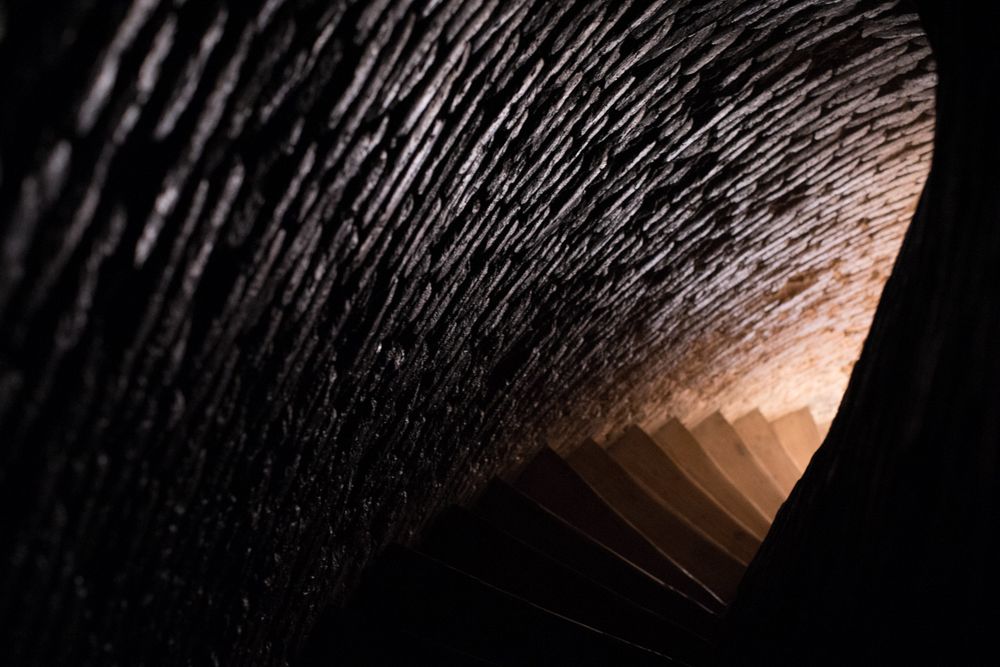
The Burana Tower stands as a symbol of Kyrgyzstan's captivating past, inviting visitors to delve into the narratives of the Silk Road and the ancient city of Balasagun. With its architectural grandeur, rich historical context, and awe-inspiring surroundings, the Burana Tower serves as a bridge between the past and the present. As we explore its winding staircases and marvel at its timeless beauty, we are reminded of the vibrant cultural exchange that once flourished along the Silk Road and the enduring legacy of Kyrgyzstan's remarkable history.

Burana Tower: Echoes of the Silk Road in Kyrgyzstan 

Photo: G Travels/Flickr

Burana Tower: Echoes of the Silk Road in Kyrgyzstan 

Staircase inside the tower. Photo: Matthias Buehler/Flickr

Burana Tower: Echoes of the Silk Road in Kyrgyzstan 

Photo: Matthias Buehler/Flickr

Burana Tower: Echoes of the Silk Road in Kyrgyzstan 

Photo: Allan Grey/Flickr

Burana Tower: Echoes of the Silk Road in Kyrgyzstan 

Photo: Ninara/Flickr

Lyveden New Bield: A Symbolic Masterpiece of Architectural Ambition

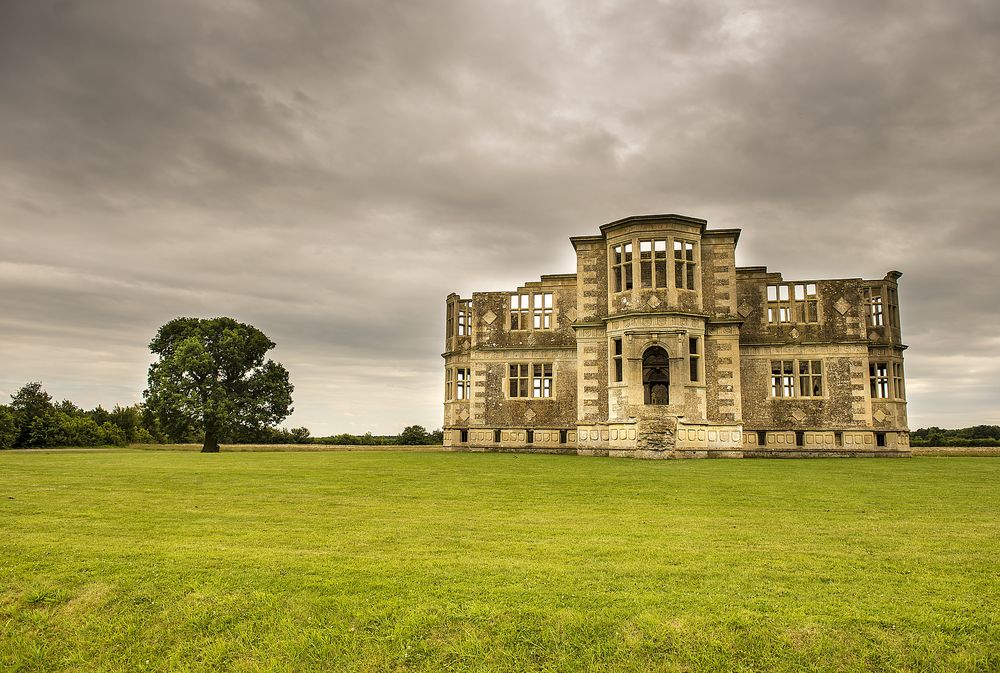
Lyveden New Bield: A Symbolic Masterpiece of Architectural AmbitionLyveden New Bield

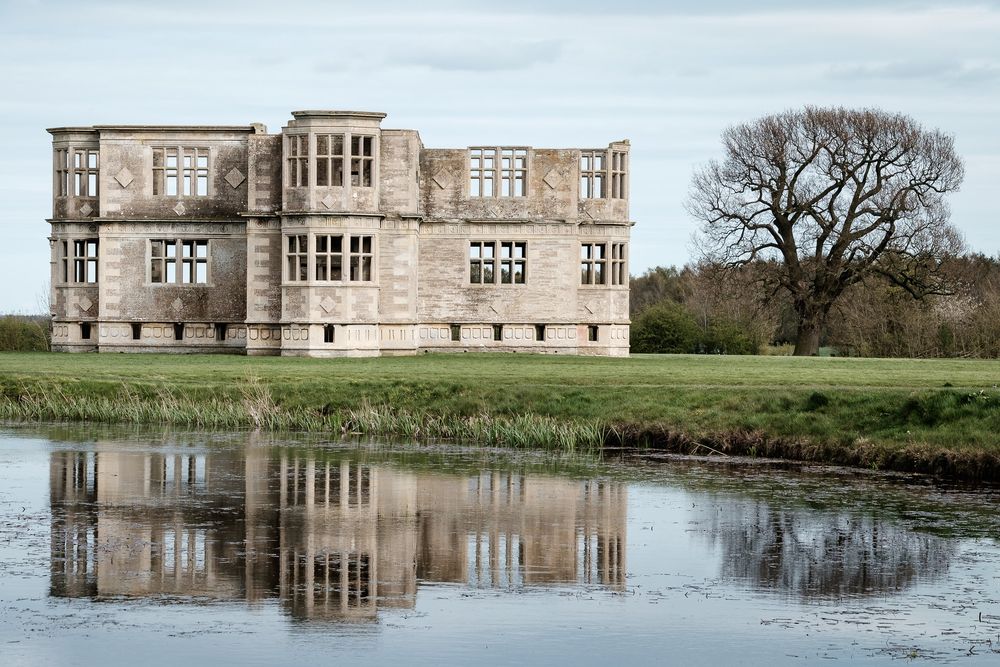
Photo: KingPhoto/Wikimedia Nestled amidst the picturesque countryside of Northamptonshire, England, lies a hauntingly beautiful and enigmatic structure known as Lyveden New Bield. This architectural gem, frozen in time, stands as a testament to the ambitious dreams and unfinished legacy of its creator, Sir Thomas Tresham. With its unique design, captivating history, and tranquil surroundings, Lyveden New Bield offers visitors a glimpse into a world suspended between the past and the present.

An Unconventional Vision:

Lyveden New Bield was conceived by Sir Thomas Tresham, a devout Catholic and member of the prominent Tresham family, during the late 16th century. Tresham's grand vision was to create a symmetrical lodge, which would serve as both a retreat and a place of worship. The building's design, influenced by Renaissance and Elizabethan architectural styles, showcases Tresham's religious and political beliefs, with intricate symbolism woven into its fabric.

Lyveden New Bield: A Symbolic Masterpiece of Architectural AmbitionLyveden New Bield

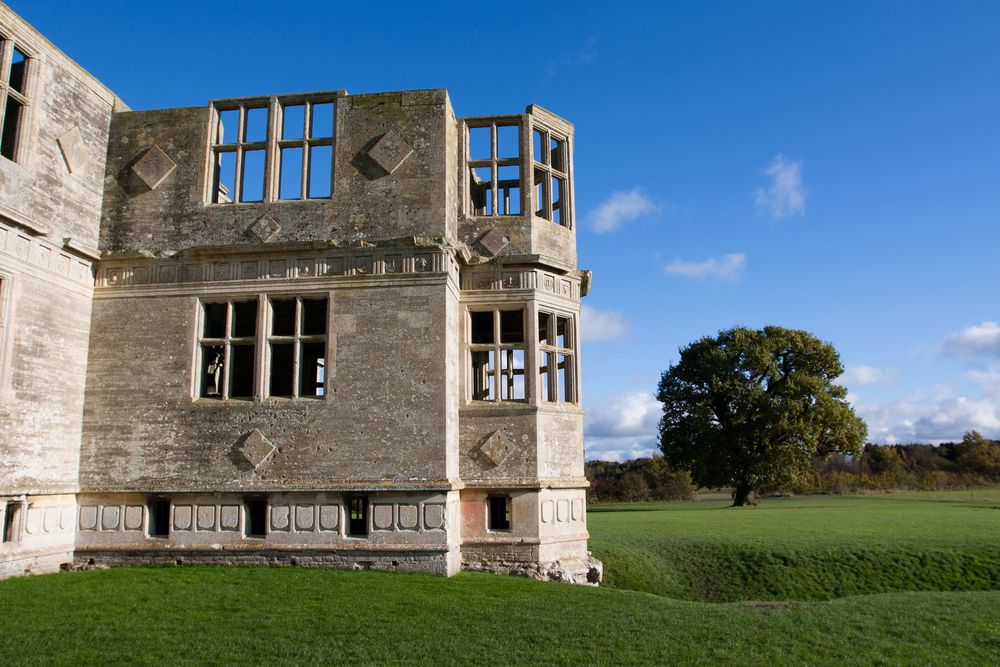
Photo: Andrew Stawarz/Flickr


A Symbolic Masterpiece:

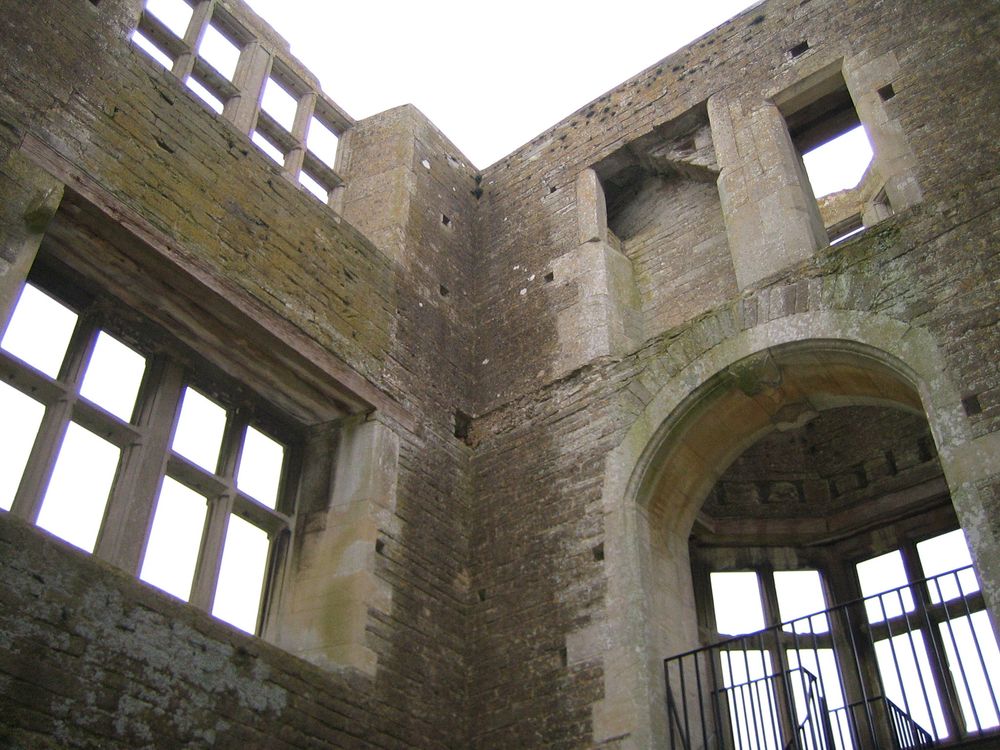
At first glance, Lyveden New Bield appears as an incomplete structure, lacking a roof and windows. However, this unfinished state was intentional, representing Tresham's devotion to his Catholic faith and his unwavering loyalty to Mary, Queen of Scots. The lodge was designed as a testament to the unfinished life and reign of Mary, symbolizing the hope for the resurgence of Catholicism in England.

Exploring the Timeless Beauty:

As visitors wander through the serene grounds of Lyveden New Bield, they are transported to a bygone era. The lodge's picturesque setting, surrounded by moats, gardens, and orchards, offers a tranquil escape from the hustle and bustle of modern life. The undisturbed nature and serene atmosphere allow visitors to immerse themselves in the beauty of the surroundings and the historical significance of the structure.

Unraveling the Mysteries:

Lyveden New Bield continues to intrigue and puzzle historians, architects, and visitors alike. The absence of a clear explanation for its unfinished state adds an air of mystery and fascination to the site. Numerous theories have been proposed, ranging from financial difficulties to political turmoil, but the true reason behind its incompleteness remains shrouded in history's veil.

Preservation and Legacy:

Despite its incomplete state, Lyveden New Bield has managed to survive the passage of time and remains an important cultural and historical landmark. The National Trust, which took over the site in the 20th century, has worked diligently to preserve and protect this architectural treasure. It serves as a reminder of the ambition, artistic vision, and religious devotion of Sir Thomas Tresham and the turbulent times in which he lived. Lyveden New Bield stands as a testament to the power of human ambition, artistic expression, and the passage of time. Its unconventional design, rich symbolism, and enigmatic history make it a unique destination for those seeking to delve into the mysteries of the past. As visitors explore the tranquil grounds and contemplate the unfinished beauty of Lyveden New Bield, they are reminded of the fleeting nature of human endeavors and the enduring legacy left behind by visionaries like Sir Thomas Tresham.

Lyveden New Bield: A Symbolic Masterpiece of Architectural AmbitionLyveden New Bield

Photo: Lee Morley/Flickr

Lyveden New Bield: A Symbolic Masterpiece of Architectural AmbitionLyveden New Bield

Photo: Tusela/Flickr

Lyveden New Bield: A Symbolic Masterpiece of Architectural AmbitionLyveden New Bield

Photo: Ade46/Flickr

Mehrangarh Fort: Where History Lives in Brick, Mortar, and the Shadows of Death

Mehrangarh Fort: Where History Lives in Brick, Mortar, and the Shadows of Death

Majestically perched atop a hill in the enchanting city of Jodhpur, Rajasthan, stands the formidable Mehrangarh Fort. This magnificent structure, steeped in history, offers a captivating journey into the past, where brick and mortar intertwine with tales of valor, conquests, and the inevitability of death. As one explores the fort's imposing walls, intricate architecture, and echoing corridors, it becomes evident that Mehrangarh is not merely a monument but a living testament to the triumphs and tragedies of a bygone era.

A Fortress of Legends:

Mehrangarh Fort, built in the 15th century by Rao Jodha, the founder of Jodhpur, stands as a symbol of the city's indomitable spirit. Constructed primarily with red sandstone, the fort stretches across 5 kilometers with its massive walls rising 120 feet high. Its strategic location atop a 410-foot hill offered unparalleled protection, making it virtually impregnable.

The Architecture that Stands Tall:

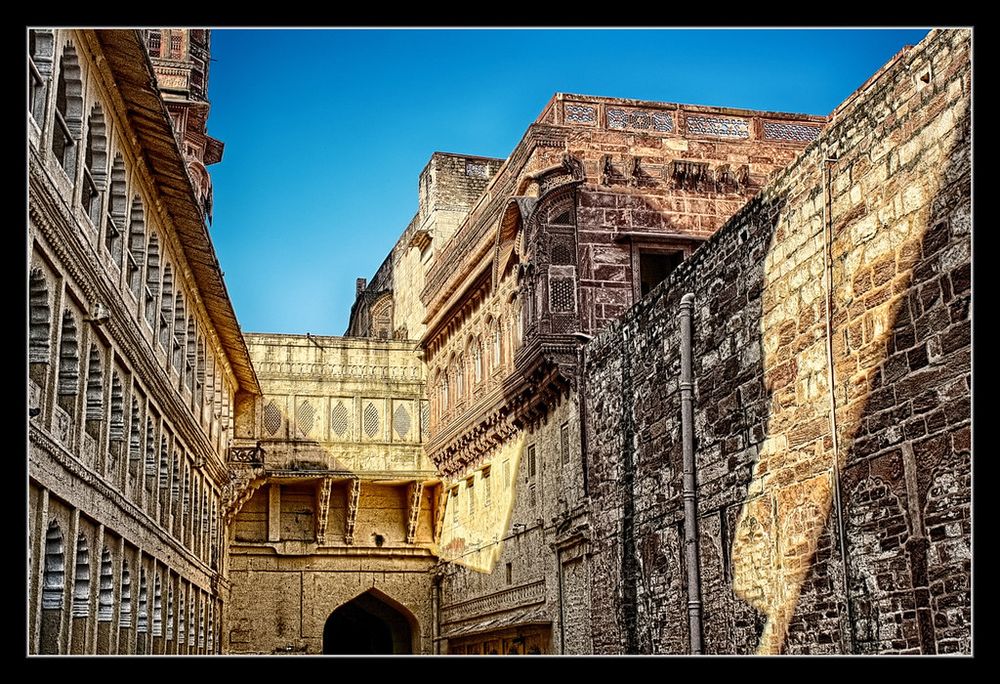
The architectural grandeur of Mehrangarh Fort is nothing short of awe-inspiring. From intricately carved jharokhas (balconies) to majestic palaces and courtyards, every corner reveals a story waiting to be discovered. The fort's palaces, such as Moti Mahal (Pearl Palace), Phool Mahal (Flower Palace), and Sheesh Mahal (Mirror Palace), showcase the opulent lifestyle of the Rajput rulers.

The imposing gateways, such as Jai Pol, Fatteh Pol, and Loha Pol, serve as reminders of the fort's historical significance. Each entrance bears the marks of battles fought and won, and some even display the handprints of the queens who committed sati (self-immolation) as a testament to their loyalty.

Death and Sacrifice:

While the Mehrangarh Fort exudes grandeur and splendor, it also holds within its walls stories of sacrifice and death. The chattris (cenotaphs) inside the fort complex pay homage to the brave Rajput warriors who laid down their lives defending their honor and kingdom. These marble memorials stand tall, honoring the bravery and valor of those who fought till their last breath.

The fort's museum houses an extensive collection of weapons, armor, and artifacts, serving as a reminder of the bloodshed and sacrifices made within these walls. The galleries vividly depict the battles fought and the lives lost, preserving the memory of those who shaped the region's history.

Preserving the Legacy:

Mehrangarh Fort has withstood the test of time, witnessing the rise and fall of empires, yet standing firm in its place. The Mehrangarh Museum Trust, established in 1972, has diligently worked to conserve and showcase the fort's rich heritage. The trust's efforts in restoration, preservation, and educational programs have earned Mehrangarh Fort its reputation as one of India's best-maintained historical sites.

Mehrangarh Fort stands as a magnificent tribute to the past, reminding visitors of the valor, sacrifice, and the inevitability of death that is intricately woven into its very foundations. It serves as a testament to the rich cultural heritage of Rajasthan and the indomitable spirit of its people. As one traverses the ancient walls and explores its architectural marvels, Mehrangarh Fort offers a glimpse into a bygone era, where brick, mortar, and the echoes of history coexist in harmony.

Photo: Michael Foley/Flickr

Mehrangarh Fort: Where History Lives in Brick, Mortar, and the Shadows of Death

Photo: Manfred Sommer/Flickr


Mehrangarh Fort: Where History Lives in Brick, Mortar, and the Shadows of Death

Photo: Daniel Mennerich/Flickr

Mehrangarh Fort: Where History Lives in Brick, Mortar, and the Shadows of Death

Photo: Daniel Mennerich/Flickr