Showing posts with label Mahabat Maqbara. Show all posts

Mahabat Maqbara: Junagadh's Architectural Jewel

Mahabat Maqbara: Junagadh's Architectural Jewel

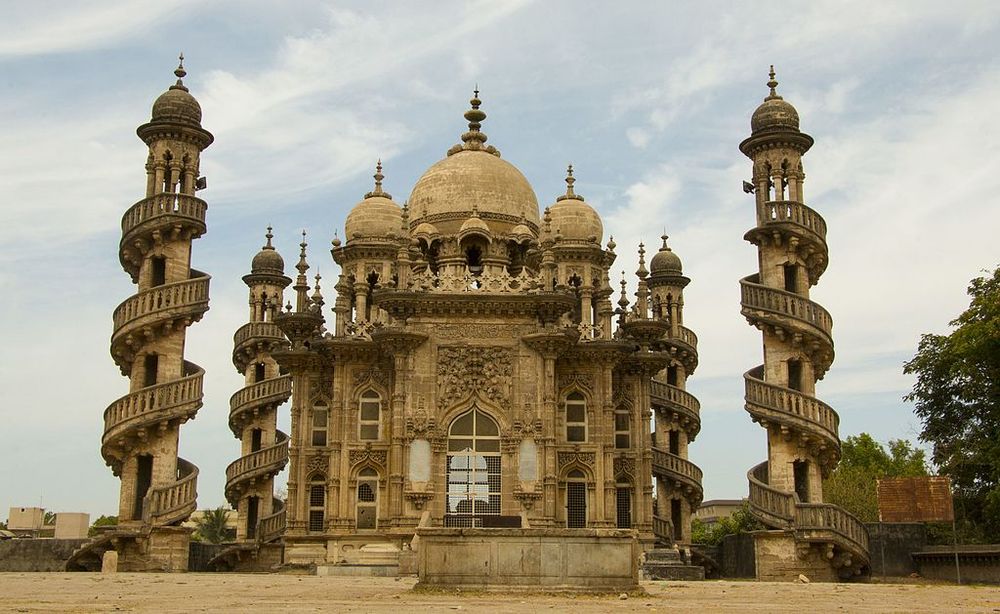
In the heart of Junagadh, Gujarat, stands one of India’s most breathtaking yet lesser-known architectural wonders — the Mahabat Maqbara. With its stunning blend of Indo-Islamic, Gothic, and European design influences, this mausoleum is not just a burial site but a poetic expression carved in stone. Its spiraling minarets, intricate carvings, and exquisite detailing make it one of the most remarkable monuments of the 19th century — a true hidden gem for lovers of art, history, and architecture alike. Above Photo: Gopikapadia/Wikimedia

A Glimpse into History

Mahabat Maqbara was commissioned during the reign of Nawab Mahabat Khan II of Junagadh and completed in 1892. It serves as the resting place of Bahaduddinbhai Hasainbhai, one of the chief nobles of the Nawab’s court. The Nawabs of Junagadh were known for their grand architectural visions and cosmopolitan tastes, which is vividly reflected in this structure. The Maqbara’s creation represents a time when art and architecture were symbols of both devotion and power.

Mahabat Maqbara: Junagadh's Architectural Jewel


Mahabat Maqbara: Junagadh's Architectural Jewel

Architectural Grandeur

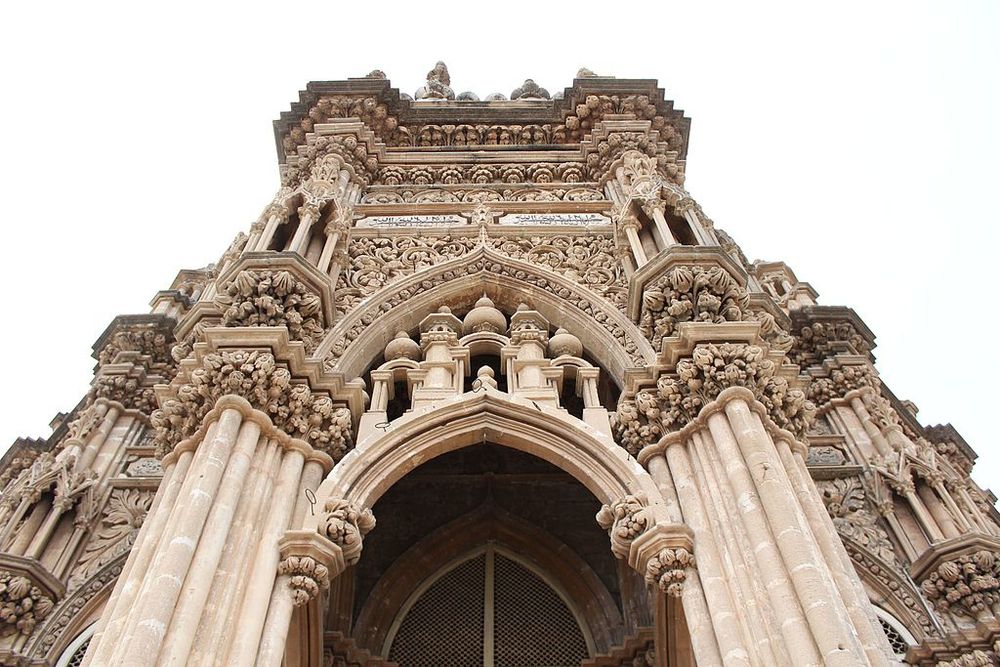
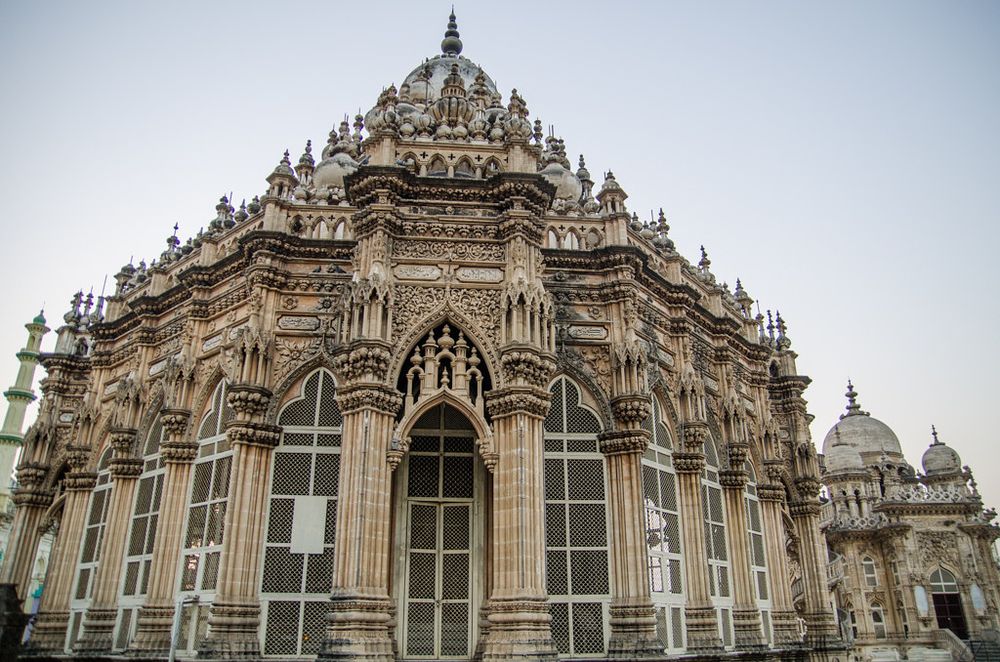
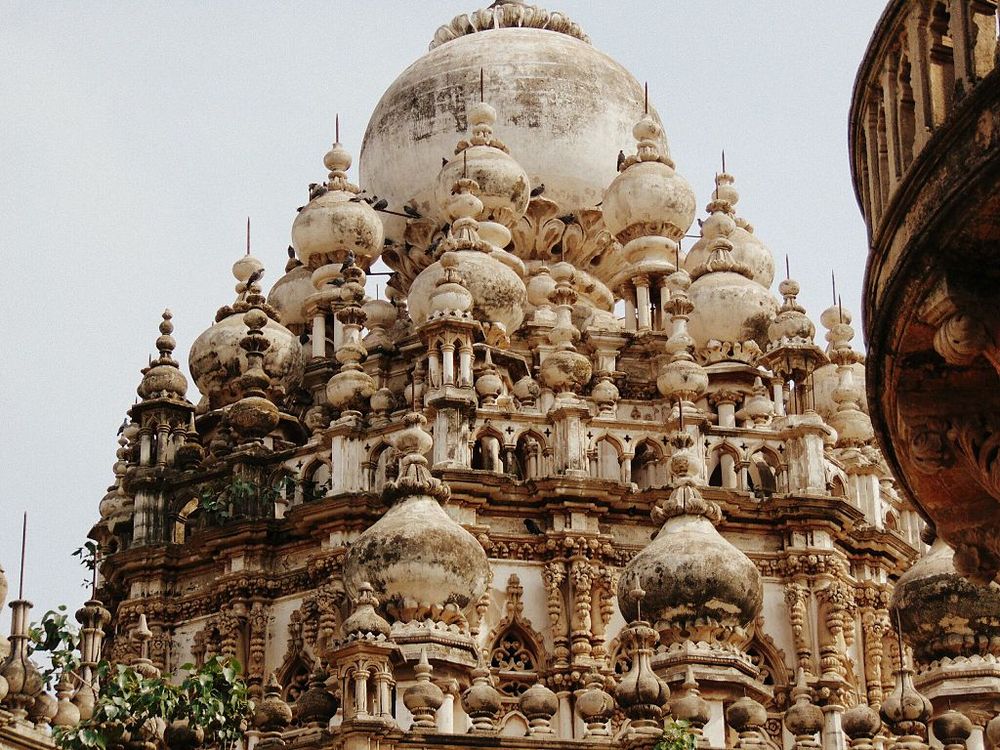
What sets Mahabat Maqbara apart is its extraordinary fusion of styles. The monument features onion-shaped domes reminiscent of Mughal architecture, spiral staircases that twist elegantly around its minarets like those seen in European cathedrals, and Gothic-style windows that allow natural light to filter into its prayer halls. Each element tells a story — of inspiration drawn from across continents, of artisans who dared to blend styles centuries before globalization became a concept.

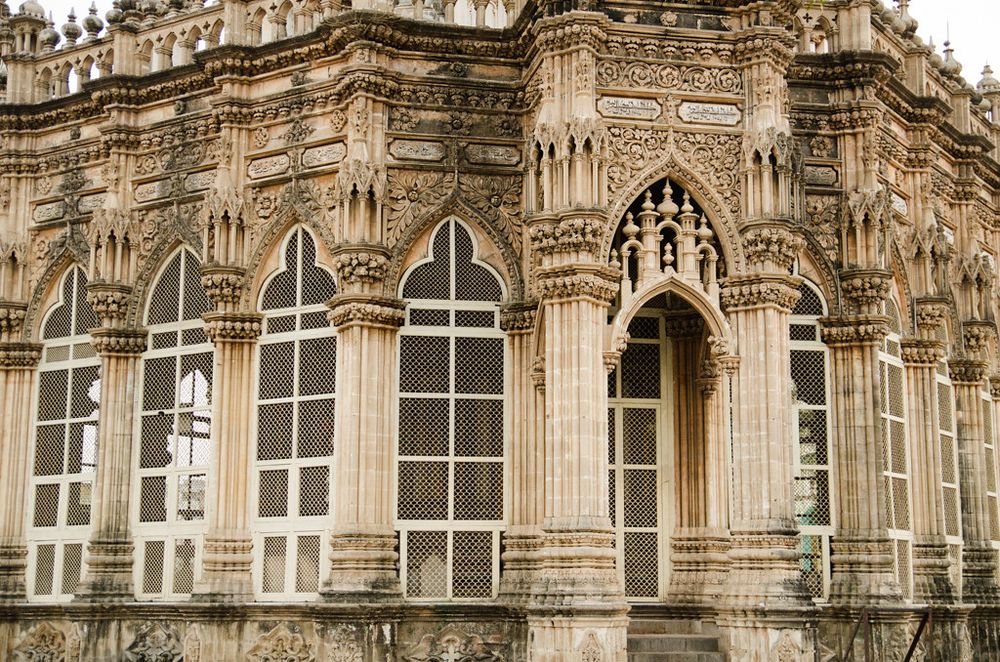
The entire complex is adorned with delicate stone jalis (latticed screens), arches, and silver doors that gleam with historical richness. The symmetrical balance between its domes and minarets gives it a regal yet ethereal quality, making it a photographer’s paradise and an architectural marvel that stands as a symbol of Junagadh’s rich heritage.

The Blend of Cultures and Faiths

Junagadh has long been a melting pot of religions and communities — Hindus, Muslims, and Jains have coexisted peacefully for centuries. The Mahabat Maqbara beautifully captures that syncretism. The structure’s Indo-Islamic base represents the Islamic faith of the Nawabs, while the European elements reflect the British colonial influence of the time. This cultural amalgamation stands as a silent reminder that art transcends boundaries and belief systems.

Mahabat Maqbara: Junagadh's Architectural Jewel

Inside the Mausoleum

Stepping inside the Maqbara feels like entering a different era. The central chamber houses intricately carved tombs surrounded by marble pillars and arches. The walls feature fine geometric and floral motifs, while the ceilings display detailed craftsmanship that still gleams faintly under the soft sunlight streaming through stained glass windows. Every inch of this space whispers stories of devotion, pride, and artistry.

The peaceful ambiance of the interior contrasts with the elaborate ornamentation outside, offering visitors a quiet space for reflection. Time seems to slow here, allowing one to appreciate the monument’s enduring beauty and the skill of those who created it over a century ago.

Preservation and Legacy

Although Mahabat Maqbara remains one of India’s most unique historical structures, it has not received the recognition it truly deserves. Weathering, pollution, and limited conservation efforts pose a challenge to its preservation. Local authorities and heritage activists have been advocating for its inclusion in India’s protected monuments list to ensure its survival for future generations.

Nevertheless, its allure continues to draw history enthusiasts, photographers, and travelers who seek beauty beyond the typical tourist circuits. Each visit contributes to spreading awareness about this magnificent site and its importance in India’s cultural and architectural narrative.

Mahabat Maqbara: Junagadh's Architectural Jewel

Why It Matters Today

In an age where glass towers dominate skylines, monuments like Mahabat Maqbara remind us of the depth of artistic vision our ancestors possessed. It stands as a lesson in architectural harmony — that beauty thrives when diverse influences coexist. For the people of Junagadh, it’s a source of pride; for India, it’s a testament to how creativity and faith can shape timeless art.

A Living Symbol of Junagadh’s Soul

The Maqbara is not just a monument; it’s a living emblem of Junagadh’s past glory. Surrounded by narrow lanes and old havelis, the structure rises with quiet dignity, catching the golden hues of the setting sun. As pigeons circle its domes and prayers echo softly through the city, it feels as though time itself has bowed to this masterpiece.

Whether you’re an architecture enthusiast, a traveler in search of hidden history, or simply someone who appreciates beauty, Mahabat Maqbara is an experience that lingers long after you’ve left its gates.

Mahabat Maqbara remains one of India’s most underrated architectural treasures — a fusion of faiths, cultures, and craftsmanship that stands tall against time. It embodies the spirit of creativity and coexistence that defined Junagadh’s history. As the world rediscovers forgotten marvels, this mausoleum deserves a place among the finest examples of India’s architectural heritage.

If you ever find yourself in Gujarat, make time to visit this stunning monument. It’s more than a place — it’s a piece of living history, a story in stone, and a reminder that true art never fades.
Resurrecting Beauty: The Untold Story of Mahabat Maqbara

 Resurrecting Beauty: The Untold Story of Mahabat MaqbaraMahabat Maqbara

In the heart of Junagadh, a city in the western Indian state of Gujarat, lies a hidden gem that embodies the magnificence of Indo-Islamic architecture. Mahabat Maqbara, also known as the Mausoleum of Bahaduddinbhai Hasainbhai, stands as a forgotten testament of artistry, beckoning travelers and art enthusiasts to discover its exquisite beauty and rich historical significance.

Built in the 19th century, Mahabat Maqbara is an architectural marvel that reflects a fusion of different styles, blending elements of Indo-Islamic, Gothic, and European influences. The mausoleum's grandeur lies in its intricate design, intricate detailing, and the delicate craftsmanship displayed in every nook and cranny.

As one approaches Mahabat Maqbara, its stunning façade captures the attention. The imposing structure stands tall, adorned with elaborate arches, minarets, and ornate domes. The intricate stone carvings, floral patterns, and calligraphic inscriptions that embellish the edifice showcase the skill and artistry of the craftsmen who dedicated their talents to create this masterpiece.

The main mausoleum features a central dome, surrounded by smaller domes and minarets, creating a harmonious symphony of architectural elements. The intricate jaalis (lattice screens) add an ethereal beauty to the structure, allowing light to filter through and create a mesmerizing play of light and shadows. The interior of the mausoleum is equally captivating, with intricate plasterwork, marble inlays, and beautifully painted ceilings that transport visitors to a world of artistic splendor.

One of the most enchanting features of Mahabat Maqbara is the stunning silver door that leads to the main chamber. The intricately crafted silver filigree work, with its delicate patterns and meticulous detailing, is a testament to the artistry of the region. The door is said to be one of the largest silver doors in the world, and its beauty leaves visitors in awe of the craftsmanship that went into its creation.

Sadly, over the years, Mahabat Maqbara has fallen into a state of neglect and remains largely unknown to the wider world. Its exquisite beauty and historical significance have been overshadowed by the passage of time. However, efforts are being made to restore and preserve this architectural gem, ensuring that its legacy is not forgotten.

Visiting Mahabat Maqbara is not just a journey through history; it is an opportunity to appreciate the artistic vision and skill of the craftsmen who contributed to its creation. Walking through the complex, one can't help but marvel at the intricate details, the interplay of light and shadow, and the seamless integration of different architectural styles.

Mahabat Maqbara serves as a reminder of the rich cultural heritage of Junagadh and Gujarat, showcasing the artistic fusion that emerged from the mingling of different civilizations. It stands as a testament to the artistic genius and the multicultural influences that shaped the region's history. Above Photo: Gopikapadia/Wikimedia

 Resurrecting Beauty: The Untold Story of Mahabat MaqbaraMahabat Maqbara

Photo: Gsuruchi06/Wikimedia


 Resurrecting Beauty: The Untold Story of Mahabat MaqbaraMahabat Maqbara

Photo: Dhairyapambhar/Wikimedia
As travelers and art enthusiasts continue to explore the wonders of the world, it is important to shine a light on lesser-known treasures such as Mahabat Maqbara. By appreciating and preserving these forgotten gems, we not only celebrate the artistry of the past but also ensure that future generations can marvel at the beauty and cultural significance they hold. Mahabat Maqbara is a poignant reminder that art has the power to transcend time and connect us with the rich tapestry of human history.

 Resurrecting Beauty: The Untold Story of Mahabat MaqbaraMahabat Maqbara

Photo: Evgeni Zotov/Flickr

 Resurrecting Beauty: The Untold Story of Mahabat MaqbaraMahabat Maqbara

Photo: Saurabh Chatterjee/Flickr

 Resurrecting Beauty: The Untold Story of Mahabat MaqbaraMahabat Maqbara

Photo: Saurabh Chatterjee/Flickr

References:
# Atlas Obscura
# Times Travel
# Indian Express