A Tale of Survival and Cultural Clash: Masabumi Hosono’s Titanic Story

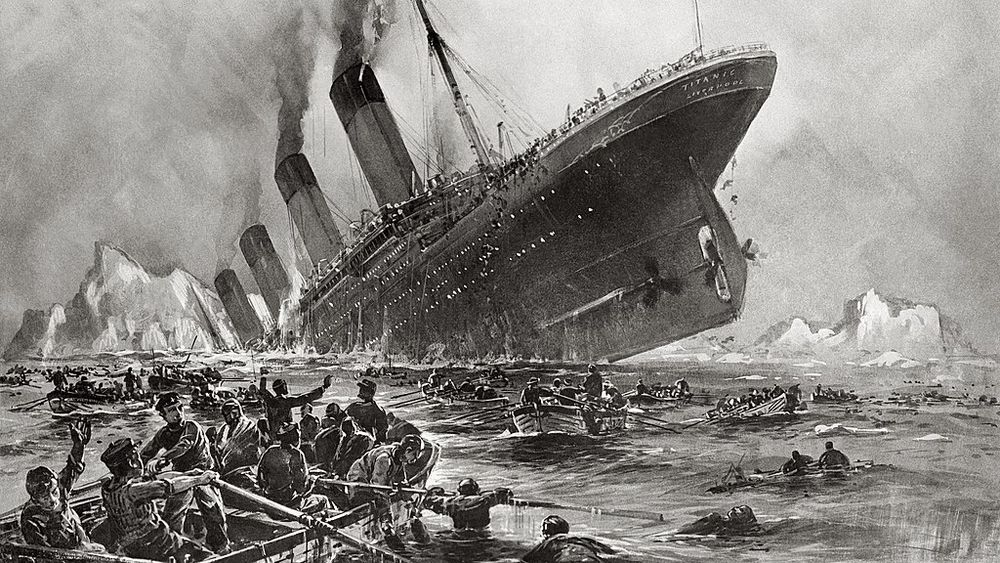
Above Photo: Titanic’s boat deck/flickr
A Unique Beginning
When the RMS Titanic struck an iceberg in April 1912, it marked one of the most tragic nights in modern history. Yet among the hundreds of stories that emerged from that icy Atlantic, one stands apart — a tale of survival that became a story of shame in its homeland.
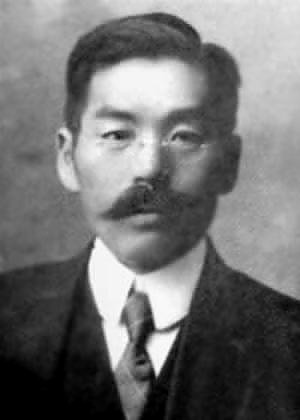
The man was Masabumi Hosono, the only Japanese passenger aboard the Titanic. His survival, which should have been celebrated, instead became a cultural controversy that exposed the clash between Eastern honor and Western ideals of survival.
This is not just a story about a sinking ship — it’s about human instinct, cultural identity, and the price of staying alive.
Life Before the Voyage
Masabumi Hosono was born in 1870 in Niigata, Japan. A bright student, he worked for the Japanese Ministry of Transport and was later sent to Russia to study its railway system. By 1912, Hosono was returning home via Europe after completing his assignment.
He boarded the Titanic as a second-class passenger from Southampton, England. Like many others, he viewed it as an opportunity to experience the most advanced ship of its time — one famously called “unsinkable.”
Fate, however, had other plans.
The Night of the Disaster
On the night of April 14, 1912, the Titanic struck an iceberg at 11:40 p.m. Hosono was awakened by a knock on his cabin door and the growing panic in the corridors. Initially barred from the boat deck by crew members who thought he was third-class, he eventually reached the lifeboats amid the chaos.
“I was overwhelmed by hopelessness at the thought that I might never see my beloved wife and children again. But when I saw a space open in a lifeboat, I acted on the only instinct left to me — to live.”

Above Photo: Masabumi's Hosono/Wikipedia
The Cultural Clash
While Western newspapers praised Hosono for his courage and quick thinking, Japan reacted very differently.
In early 20th-century Japanese society, the samurai code of honor — which valued sacrifice over survival — was still deeply ingrained. Men were expected to die with dignity rather than survive at the expense of others. The idea that Hosono had saved himself while others perished was viewed as a national embarrassment.
Japanese newspapers accused him of cowardice, saying he had brought “shame upon his nation.” His employer, the Ministry of Transport, dismissed him from his position. Some even called him the “coward of the Titanic.”
In a time when Japan was striving to prove itself as a disciplined, honorable nation before the West, Hosono’s survival was twisted into a symbol of moral weakness. He was ostracized, publicly humiliated, and forced to live quietly with his family for the rest of his life.
It was a devastating example of how cultural values can redefine the meaning of survival.
Life After the Titanic
Despite public condemnation, Hosono maintained that he had done nothing wrong. His writings show deep remorse and confusion at being punished for wanting to live.
He eventually regained employment in a smaller role but remained socially isolated. For years, his story was rarely spoken about in Japan.
Masabumi Hosono passed away in 1939 in Tokyo, largely forgotten by his country. But history, as it often does, changed its tone over time.
When James Cameron’s Titanic (1997) reignited interest in the tragedy, Japanese media revisited Hosono’s case. His surviving letters and testimonies were published, revealing a thoughtful, humble man who never sought fame — only understanding.
Public opinion began to shift. Hosono’s grandson, Haruomi Hosono, a celebrated musician, later said he hoped his grandfather would finally be remembered not with shame, but compassion.
A Deeper Lesson
Masabumi Hosono’s journey reveals how cultural context shapes moral judgment. In the West, survival from the Titanic symbolized courage and luck. In Japan at that time, it symbolized dishonor and selfishness.
His story poses a haunting question: Should the will to live ever be something to apologize for?
In hindsight, Hosono’s decision was human, not dishonorable. He didn’t push anyone aside or break any rule — he simply took a chance to live when fate offered him one. Yet societal expectations turned his relief into lifelong regret.
It’s a reminder that heroism isn’t defined by public opinion, but by the truth of a person’s heart.
Conclusion: Humanity Beyond Culture
More than a century later, Masabumi Hosono’s story remains one of the most powerful human accounts from the Titanic. It reminds us that survival is never just physical — it’s emotional, cultural, and deeply personal.
He survived the ocean’s cold, but not the world’s judgment. And yet, his legacy today feels redemptive: a testament to how humanity eventually learns to see beyond shame and into empathy.
Hosono’s tale teaches that true courage is not only dying with honor — but living with purpose despite misunderstanding. His life stands as a bridge between East and West, between instinct and ideal, between shame and survival.
So when we think of the Titanic — not only as a disaster, but as a mirror of human nature — Masabumi Hosono’s name deserves to be remembered. Not as the “coward of the Titanic,” but as a man who chose life when life itself seemed impossible.
.JPG)