Showing posts with label Titanic. Show all posts

A Tale of Survival and Cultural Clash: Masabumi Hosono's Titanic Story


A Tale of Survival and Cultural Clash: Masabumi Hosono’s Titanic Story


Titanic’s boat deck — where countless stories of courage and tragedy unfolded.

Above Photo: Titanic’s boat deck/flickr

A Unique Beginning

When the RMS Titanic struck an iceberg in April 1912, it marked one of the most tragic nights in modern history. Yet among the hundreds of stories that emerged from that icy Atlantic, one stands apart — a tale of survival that became a story of shame in its homeland.

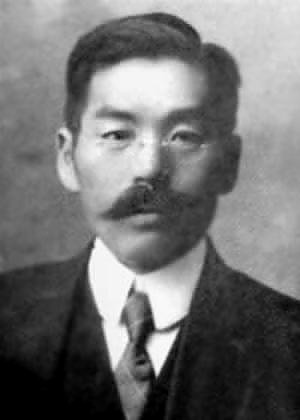
The man was Masabumi Hosono, the only Japanese passenger aboard the Titanic. His survival, which should have been celebrated, instead became a cultural controversy that exposed the clash between Eastern honor and Western ideals of survival.

This is not just a story about a sinking ship — it’s about human instinct, cultural identity, and the price of staying alive.

Life Before the Voyage

Masabumi Hosono was born in 1870 in Niigata, Japan. A bright student, he worked for the Japanese Ministry of Transport and was later sent to Russia to study its railway system. By 1912, Hosono was returning home via Europe after completing his assignment.

He boarded the Titanic as a second-class passenger from Southampton, England. Like many others, he viewed it as an opportunity to experience the most advanced ship of its time — one famously called “unsinkable.”

Fate, however, had other plans.

The Night of the Disaster

On the night of April 14, 1912, the Titanic struck an iceberg at 11:40 p.m. Hosono was awakened by a knock on his cabin door and the growing panic in the corridors. Initially barred from the boat deck by crew members who thought he was third-class, he eventually reached the lifeboats amid the chaos.

“I was overwhelmed by hopelessness at the thought that I might never see my beloved wife and children again. But when I saw a space open in a lifeboat, I acted on the only instinct left to me — to live.”


Masabumi Hosono Portrait

Masabumi Hosono, the only Japanese passenger on the Titanic.

Above Photo: 
Masabumi's Hosono/Wikipedia

The Cultural Clash

While Western newspapers praised Hosono for his courage and quick thinking, Japan reacted very differently.

In early 20th-century Japanese society, the samurai code of honor — which valued sacrifice over survival — was still deeply ingrained. Men were expected to die with dignity rather than survive at the expense of others. The idea that Hosono had saved himself while others perished was viewed as a national embarrassment.

Japanese newspapers accused him of cowardice, saying he had brought “shame upon his nation.” His employer, the Ministry of Transport, dismissed him from his position. Some even called him the “coward of the Titanic.”

In a time when Japan was striving to prove itself as a disciplined, honorable nation before the West, Hosono’s survival was twisted into a symbol of moral weakness. He was ostracized, publicly humiliated, and forced to live quietly with his family for the rest of his life.

It was a devastating example of how cultural values can redefine the meaning of survival.

Life After the Titanic

Despite public condemnation, Hosono maintained that he had done nothing wrong. His writings show deep remorse and confusion at being punished for wanting to live.

He eventually regained employment in a smaller role but remained socially isolated. For years, his story was rarely spoken about in Japan.

Masabumi Hosono passed away in 1939 in Tokyo, largely forgotten by his country. But history, as it often does, changed its tone over time.

When James Cameron’s Titanic (1997) reignited interest in the tragedy, Japanese media revisited Hosono’s case. His surviving letters and testimonies were published, revealing a thoughtful, humble man who never sought fame — only understanding.

Public opinion began to shift. Hosono’s grandson, Haruomi Hosono, a celebrated musician, later said he hoped his grandfather would finally be remembered not with shame, but compassion.

A Deeper Lesson

Masabumi Hosono’s journey reveals how cultural context shapes moral judgment. In the West, survival from the Titanic symbolized courage and luck. In Japan at that time, it symbolized dishonor and selfishness.

His story poses a haunting question: Should the will to live ever be something to apologize for?

In hindsight, Hosono’s decision was human, not dishonorable. He didn’t push anyone aside or break any rule — he simply took a chance to live when fate offered him one. Yet societal expectations turned his relief into lifelong regret.

It’s a reminder that heroism isn’t defined by public opinion, but by the truth of a person’s heart.

Conclusion: Humanity Beyond Culture

More than a century later, Masabumi Hosono’s story remains one of the most powerful human accounts from the Titanic. It reminds us that survival is never just physical — it’s emotional, cultural, and deeply personal.

He survived the ocean’s cold, but not the world’s judgment. And yet, his legacy today feels redemptive: a testament to how humanity eventually learns to see beyond shame and into empathy.

Hosono’s tale teaches that true courage is not only dying with honor — but living with purpose despite misunderstanding. His life stands as a bridge between East and West, between instinct and ideal, between shame and survival.

So when we think of the Titanic — not only as a disaster, but as a mirror of human nature — Masabumi Hosono’s name deserves to be remembered. Not as the “coward of the Titanic,” but as a man who chose life when life itself seemed impossible.
Masabumi Hosono: The Stigma of Survival on the Titanic

 Masabumi Hosono: The Stigma of Survival on the Titanic

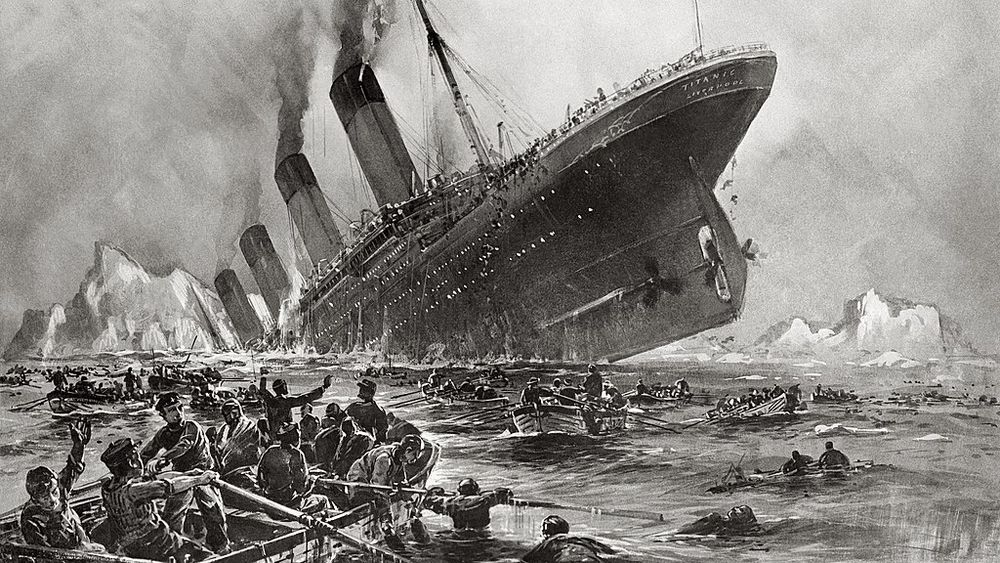
Sinking of the Titanic by Willy Stöwer  (1864–1931).

Background and Journey: Born in 1870 in Fukushima, Japan, Masabumi Hosono pursued a career as a civil servant, working for the Japanese Ministry of Transport. In 1912, he was dispatched to the United States to study the railway systems. His return to Japan involved taking a transatlantic journey aboard the opulent Titanic. However, fate had a different plan for him.

The Sinking and Survival: As the Titanic struck an iceberg and began its descent into the icy Atlantic, Masabumi Hosono found himself in a precarious situation. In the chaos that ensued, he managed to find a place on one of the lifeboats, specifically Lifeboat No. 10, along with other survivors. However, his survival would soon become a source of societal contempt.

 Masabumi Hosono: The Stigma of Survival on the Titanic

Masabumi Hosono

Public Condemnation: Upon his return to Japan, Hosono's name was published in a list of survivors, leading to an outcry from the Japanese public. He faced immense criticism for his failure to die alongside his fellow passengers. In Japanese culture, the notion of self-sacrifice and the importance of communal harmony were deeply ingrained, and Hosono's survival contradicted these ideals. The media fueled the public's anger, labeling him as a coward and a disgrace to his nation.

Impact on Hosono's Life: The public condemnation had a profound impact on Masabumi Hosono's life. Despite his years of service as a civil servant, he was demoted within the Ministry of Transport and faced hostility from his colleagues. The weight of public disapproval led to a life of isolation and seclusion for Hosono, who withdrew from public life and chose to live in obscurity.

Historical Context: To understand the disgrace faced by Masabumi Hosono, it is essential to consider the historical context of early 20th-century Japan. The country was going through a period of intense nationalism, with a focus on collective identity and sacrifice for the greater good. Against this backdrop, the survival of an individual at the expense of others was seen as a betrayal of societal expectations.

Reevaluation and Reconciliation: Over time, attitudes towards Masabumi Hosono began to shift. In the late 20th century, researchers revisited his story, shedding light on the intense public pressure he faced and the cultural factors that contributed to his disgrace. Hosono's survival, once seen as an act of cowardice, came to be understood as a testament to the complexity of human behavior in extreme circumstances.

Legacy: Masabumi Hosono's story serves as a reminder of the power of societal expectations and the impact they can have on individuals. His life demonstrates the importance of empathy and understanding, highlighting the dangers of snap judgments and the need for a more nuanced perspective.

Masabumi Hosono, the disgraced Titanic survivor, endured public condemnation and lived a life marked by isolation due to his survival of the tragic maritime disaster. His story reveals the strong influence of cultural and societal expectations, highlighting the need for compassion and understanding in the face of complex situations. By examining his life, we are reminded of the importance of empathy and the dangers of hasty judgment, urging us to reconsider our perspectives on the actions of others.

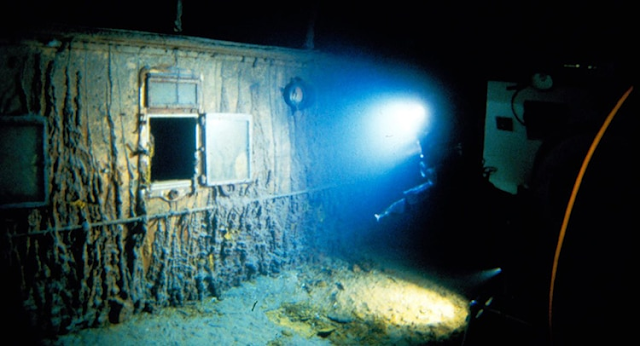
Footage of ‘Titanic’ Wreckage Reveals a Look at When the Iconic Ship Was First Found

Footage of ‘Titanic’ Wreckage Reveals a Look at When the Iconic Ship Was First FoundThe RMS Titanic, the ill-fated ocean liner that met its tragic end on April 15, 1912, has captivated the world's imagination for over a century. Its sinking in the North Atlantic Ocean remains one of the most infamous maritime disasters in history. However, the allure of the Titanic did not wane even after its watery grave was discovered in 1985. Recently, unseen footage of the Titanic wreckage has come to light, offering a unique glimpse into the momentous occasion when the iconic ship was first found. This essay delves into the significance of this newly surfaced footage and explores the impact it has on our understanding of the Titanic's legacy.

Unveiling the Unseen Footage

The release of previously unseen footage of the Titanic wreck is a significant development that reignites public fascination with the tragedy. The footage, recorded during the original 1985 expedition led by Dr. Robert Ballard, provides a fresh perspective on the initial exploration of the Titanic's resting place nearly four kilometers below the ocean's surface. The high-resolution images showcase the eerie beauty of the wreckage and shed light on the conditions in which the ship currently lies.

A Glimpse into History

The discovery of the Titanic wreck was a watershed moment in maritime archaeology and historical preservation. Until 1985, the Titanic's exact location remained a mystery, shrouded in the depths of the Atlantic Ocean. The unseen footage takes us back to the time when the iconic ship was first found, capturing the excitement and awe that must have accompanied the historic moment. It allows us to witness the precise moments when the deep-sea cameras unveiled the haunting silhouette of the ship's bow, the scattered debris, and the remnants of a vessel that once represented the pinnacle of human engineering.

Preserving the Titanic's Legacy

Beyond the mesmerizing visuals, the newly discovered footage serves a crucial purpose in preserving the Titanic's legacy for future generations. The delicate state of the wreck and the ongoing deterioration of its structure demand careful documentation and conservation efforts. The footage serves as a valuable resource for researchers, scientists, and historians, aiding in their understanding of the ship's current condition and the forces of nature that have shaped it over time. By capturing the wreckage on film, this unseen footage helps in mapping the changes that have occurred since the initial discovery and provides a baseline for further research.

Implications for Historical Narratives

The release of this unseen footage also raises questions about the broader impact on historical narratives surrounding the Titanic. Over the years, countless books, films, and documentaries have attempted to recreate the tragic events and paint a vivid picture of the ship's final moments. However, the discovery of new visual evidence challenges some long-held assumptions and provides fresh perspectives on the events leading up to the Titanic's demise. This footage allows historians to reassess their interpretations and develop a more accurate understanding of the disaster, enriching the collective knowledge about this momentous event in human history.

Conclusion

The unveiling of unseen footage of the Titanic wreckage is a remarkable event that reignites our fascination with the tragic tale of the iconic ship. This footage offers a unique glimpse into the historic moment when the Titanic was first discovered, providing a tangible link to the past. Its release not only preserves the legacy of the Titanic but also contributes to ongoing research and reevaluation of the historical narrative. As we continue to uncover new insights into this maritime tragedy, the unseen footage serves as a poignant reminder of the lives lost and the enduring fascination surrounding the RMS Titanic.

Welcome back to Titanic! Take a look at the shipwreck as it was first seen by submersibles in 1986.Footage of the Wreck From First Submersible Dives to RMS Titanic Revealed

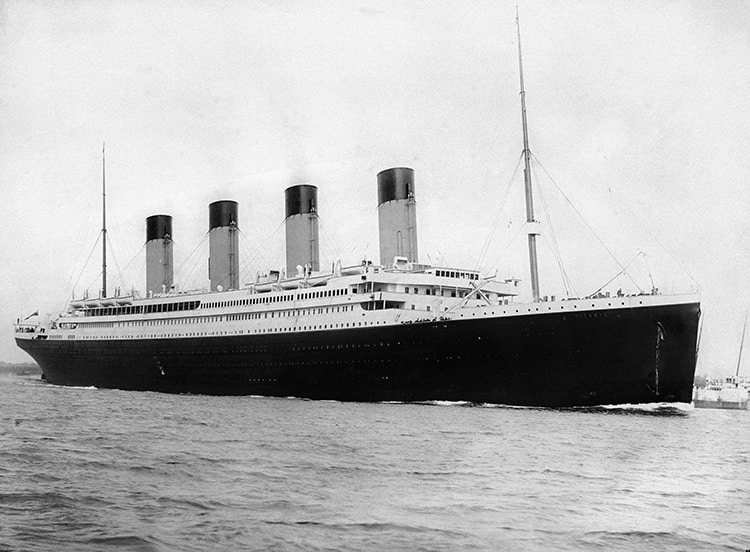
The RMS Titanic on April 10, 1912. (Photo: Wikimedia Commons, PUblic domain)

The 80-minute-long video has been released by the Woods Hole Oceanographic Institution (WHOI).

Footage of the Wreck From First Submersible Dives to RMS Titanic Revealed

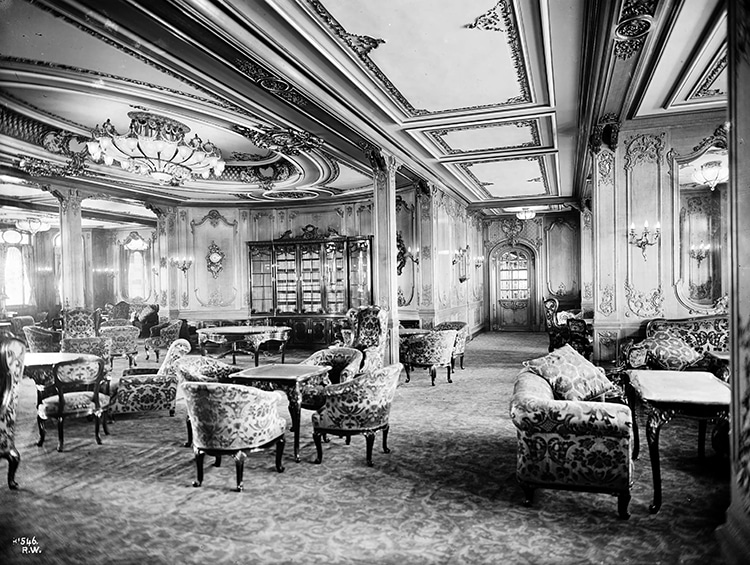
The first-class lounge. (Photo: Wikimedia Commons, Public domain)

h/t: [Design Taxi]

Most Phenomenal Historical Pictures in Miniature

Most Phenomenal Historical Pictures in Miniature
icons-cortis-sonderegger-15
When Andreas sold his Gursky's scene photo, Rhein II, at an auction in $4.3 million, two Photographers who were Switzerland based Jojakim Cortis and Adrian Sonderegger chose to reproduce the photo and have fun in their studios. "It began as a joke," Cortis tells. "In our spare time, when there's no cash coming in, we chose to endeavor to reproduce the most costly pictures on the planet."