Celebrating creativity through comprehensive and unique articles on design, technology, architecture, photography, and wonders of the World. Our purpose is to highlight the best sides of humanity.
The Forgotten Castaways of Tromelin Island: A Tale of Survival and Perseverance
Deep in the Indian Ocean, about 450 kilometers east of Madagascar, lies a small, wind-battered patch of land called Tromelin Island. Barely more than a kilometer long and less than half as wide, it appears insignificant on the map—a speck of coral and sand surrounded by endless blue. Yet, beneath its desolate beauty lies one of history’s most astonishing and heartbreaking stories of endurance, resilience, and human spirit. Above Photo credit: Wikimedia Commons
For over 15 years, a group of enslaved Malagasy people—abandoned after a shipwreck—managed to survive on this barren island, isolated from the world and left to face nature’s fury alone. Their struggle, rediscovered centuries later, stands as a haunting testament to both the cruelty of the slave trade and the indomitable strength of those it sought to destroy.
The Voyage of the Utile
In July 1761, the French ship L’Utile (“The Useful”) set sail from Bayonne, France, bound for the Indian Ocean. Officially, it was carrying supplies and goods for French colonies. Unofficially, the ship’s captain, Jean de La Fargue, had secretly arranged to purchase 160 enslaved Malagasy men and women from Madagascar to sell illegally on the French-controlled island of Mauritius. The slave trade had been banned by the French East India Company, but profits were too tempting for the ship’s officers to resist.
As the L’Utile sailed through treacherous waters, a violent storm struck. Despite warnings from the crew’s navigator, the captain insisted on maintaining course. In the early hours of July 31, 1761, disaster struck—the ship slammed into the coral reefs surrounding Tromelin Island and shattered apart.
The Forgotten Castaways of Tromelin Island: A Tale of Survival and Perseverance
Surviving the Shipwreck
Amid the chaos, the ship’s officers and crew managed to scramble ashore, along with about 60 Malagasy captives who survived the wreck. The island offered no trees, no fresh water, and little vegetation—just scorching sun, relentless winds, and sand. The only resources available came from the wreck itself.
The French sailors immediately began salvaging what they could: wood, nails, tools, and barrels. Working together with the enslaved Malagasy survivors, they built a makeshift camp and began searching desperately for food and water. Eventually, they discovered that rainwater collected in natural rock basins, and they trapped seabirds and turtles for sustenance.
But as the days passed, tensions rose. The sailors were determined to escape, while the enslaved people were treated as expendable labor. Over the next two months, the crew constructed a small vessel using materials salvaged from the wreck. In September 1761, the French sailors—123 men in total—set sail for Madagascar, promising to return for the enslaved survivors once they reached safety.
Left behind on the unforgiving island, 60 Malagasy men and women faced an impossible reality. They had no ship, no tools beyond what remained, and no reason to believe they would ever be rescued. Yet, they refused to give up.
They salvaged more materials from the wreck and used stones, coral, and sand to build shelters sturdy enough to withstand tropical storms. They learned to catch seabirds and turtles and to collect rainwater in makeshift basins lined with stone and clay. In time, they even managed to rekindle fire from flints and shards of metal.
As months turned into years, the group endured tragedy after tragedy—disease, storms, hunger, and despair. Many died. But through cooperation, ingenuity, and perseverance, they managed to sustain a fragile community. The women, in particular, became central to their survival, passing down knowledge, caring for children, and maintaining the will to live.
The Forgotten Survivors
In 1776—15 years after the shipwreck—a French naval vessel, La Dauphine, commanded by Captain Jacques Marie Boudin de Tromelin, arrived at the island. The sailors were stunned by what they found: seven women and one baby who had somehow survived in isolation for a decade and a half.
Their rescue was both miraculous and heartbreaking. These survivors represented the last remnants of a forgotten people—descendants of those left behind by greed and negligence. When they were brought to Mauritius, they were granted freedom by the governor, marking a symbolic end to their captivity.
Captain Tromelin’s name was given to the island, but its true legacy belonged to the Malagasy survivors who had endured unimaginable hardship.
Rediscovering the Past
For nearly two centuries, the story of Tromelin Island faded into obscurity. Then, in the early 2000s, archaeologists from France’s National Institute for Preventive Archaeological Research (INRAP) began excavations on the island. What they found was astonishing: remnants of stone huts, cooking areas, tools, and objects fashioned from salvaged metal.
The team uncovered clear evidence of long-term habitation—proof of resilience, adaptation, and intelligence. Items such as pottery fragments, turtle shells, and woven fibers revealed how the survivors had developed a self-sufficient community in one of the harshest environments imaginable.
Perhaps most strikingly, the archaeological findings challenged the dehumanizing narratives of slavery. The Malagasy survivors were not helpless victims—they were resourceful, determined, and deeply human, capable of transforming adversity into survival.
A Legacy of Strength and Humanity
Today, Tromelin Island remains a French possession, uninhabited and rarely visited. A small weather station now stands where the Malagasy survivors once struggled for life. Yet, their story continues to resonate, especially as historians and activists confront the darker chapters of colonialism and the slave trade.
In recent years, exhibitions such as “Tromelin: The Island of Forgotten Slaves” have toured museums across France and the Indian Ocean region, sharing this powerful narrative with new generations. These efforts highlight the need to remember not just the tragedies of history, but also the strength and dignity of those who endured them.
The survivors of Tromelin remind us that even in the bleakest isolation, human beings possess an incredible capacity for resilience and hope. Their endurance was not just physical but deeply moral—a quiet defiance against a world that had abandoned them.
Remembering the Unforgotten
The story of Tromelin Island is more than a tale of shipwreck and survival—it is a lesson in humanity. It exposes the cruelty of the slave trade while celebrating the courage of those it sought to erase. The Malagasy survivors turned despair into determination, proving that dignity can persist even when all else is lost.
As the winds continue to sweep across the lonely shores of Tromelin, they carry whispers of those who once lived, struggled, and triumphed there. Their story—once forgotten—is now a symbol of perseverance, courage, and the unbreakable spirit of survival.
When the RMS Titanic struck an iceberg in April 1912, it marked one of the most tragic nights in modern history. Yet among the hundreds of stories that emerged from that icy Atlantic, one stands apart — a tale of survival that became a story of shame in its homeland.
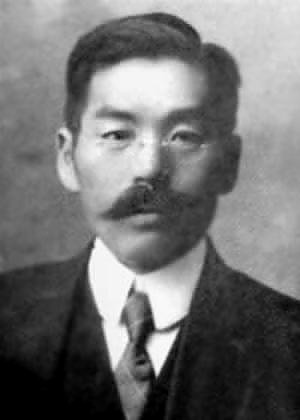
The man was Masabumi Hosono, the only Japanese passenger aboard the Titanic. His survival, which should have been celebrated, instead became a cultural controversy that exposed the clash between Eastern honor and Western ideals of survival.
This is not just a story about a sinking ship — it’s about human instinct, cultural identity, and the price of staying alive.
Life Before the Voyage
Masabumi Hosono was born in 1870 in Niigata, Japan. A bright student, he worked for the Japanese Ministry of Transport and was later sent to Russia to study its railway system. By 1912, Hosono was returning home via Europe after completing his assignment.
He boarded the Titanic as a second-class passenger from Southampton, England. Like many others, he viewed it as an opportunity to experience the most advanced ship of its time — one famously called “unsinkable.”
Fate, however, had other plans.
The Night of the Disaster
On the night of April 14, 1912, the Titanic struck an iceberg at 11:40 p.m. Hosono was awakened by a knock on his cabin door and the growing panic in the corridors. Initially barred from the boat deck by crew members who thought he was third-class, he eventually reached the lifeboats amid the chaos.
“I was overwhelmed by hopelessness at the thought that I might never see my beloved wife and children again. But when I saw a space open in a lifeboat, I acted on the only instinct left to me — to live.”
Masabumi Hosono, the only Japanese passenger on the Titanic.
While Western newspapers praised Hosono for his courage and quick thinking, Japan reacted very differently.
In early 20th-century Japanese society, the samurai code of honor — which valued sacrifice over survival — was still deeply ingrained. Men were expected to die with dignity rather than survive at the expense of others. The idea that Hosono had saved himself while others perished was viewed as a national embarrassment.
Japanese newspapers accused him of cowardice, saying he had brought “shame upon his nation.” His employer, the Ministry of Transport, dismissed him from his position. Some even called him the “coward of the Titanic.”
In a time when Japan was striving to prove itself as a disciplined, honorable nation before the West, Hosono’s survival was twisted into a symbol of moral weakness. He was ostracized, publicly humiliated, and forced to live quietly with his family for the rest of his life.
It was a devastating example of how cultural values can redefine the meaning of survival.
Life After the Titanic
Despite public condemnation, Hosono maintained that he had done nothing wrong. His writings show deep remorse and confusion at being punished for wanting to live.
He eventually regained employment in a smaller role but remained socially isolated. For years, his story was rarely spoken about in Japan.
Masabumi Hosono passed away in 1939 in Tokyo, largely forgotten by his country. But history, as it often does, changed its tone over time.
When James Cameron’s Titanic (1997) reignited interest in the tragedy, Japanese media revisited Hosono’s case. His surviving letters and testimonies were published, revealing a thoughtful, humble man who never sought fame — only understanding.
Public opinion began to shift. Hosono’s grandson, Haruomi Hosono, a celebrated musician, later said he hoped his grandfather would finally be remembered not with shame, but compassion.
A Deeper Lesson
Masabumi Hosono’s journey reveals how cultural context shapes moral judgment. In the West, survival from the Titanic symbolized courage and luck. In Japan at that time, it symbolized dishonor and selfishness.
His story poses a haunting question: Should the will to live ever be something to apologize for?
In hindsight, Hosono’s decision was human, not dishonorable. He didn’t push anyone aside or break any rule — he simply took a chance to live when fate offered him one. Yet societal expectations turned his relief into lifelong regret.
It’s a reminder that heroism isn’t defined by public opinion, but by the truth of a person’s heart.
Conclusion: Humanity Beyond Culture
More than a century later, Masabumi Hosono’s story remains one of the most powerful human accounts from the Titanic. It reminds us that survival is never just physical — it’s emotional, cultural, and deeply personal.
He survived the ocean’s cold, but not the world’s judgment. And yet, his legacy today feels redemptive: a testament to how humanity eventually learns to see beyond shame and into empathy.
Hosono’s tale teaches that true courage is not only dying with honor — but living with purpose despite misunderstanding. His life stands as a bridge between East and West, between instinct and ideal, between shame and survival.
So when we think of the Titanic — not only as a disaster, but as a mirror of human nature — Masabumi Hosono’s name deserves to be remembered. Not as the “coward of the Titanic,” but as a man who chose life when life itself seemed impossible.
Masabumi Hosono: The Stigma of Survival on the Titanic
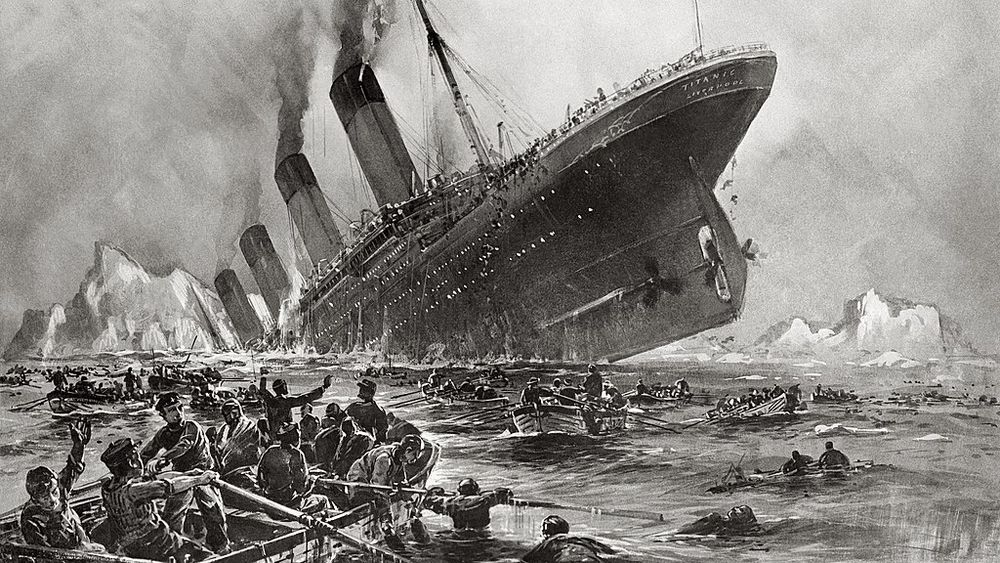
Sinking of the Titanic by Willy Stöwer (1864–1931).
Background and Journey:
Born in 1870 in Fukushima, Japan, Masabumi Hosono pursued a career as a civil servant, working for the Japanese Ministry of Transport. In 1912, he was dispatched to the United States to study the railway systems. His return to Japan involved taking a transatlantic journey aboard the opulent Titanic. However, fate had a different plan for him.
The Sinking and Survival:
As the Titanic struck an iceberg and began its descent into the icy Atlantic, Masabumi Hosono found himself in a precarious situation. In the chaos that ensued, he managed to find a place on one of the lifeboats, specifically Lifeboat No. 10, along with other survivors. However, his survival would soon become a source of societal contempt.
Masabumi Hosono: The Stigma of Survival on the Titanic
Masabumi Hosono
Public Condemnation:
Upon his return to Japan, Hosono's name was published in a list of survivors, leading to an outcry from the Japanese public. He faced immense criticism for his failure to die alongside his fellow passengers. In Japanese culture, the notion of self-sacrifice and the importance of communal harmony were deeply ingrained, and Hosono's survival contradicted these ideals. The media fueled the public's anger, labeling him as a coward and a disgrace to his nation.
Impact on Hosono's Life:
The public condemnation had a profound impact on Masabumi Hosono's life. Despite his years of service as a civil servant, he was demoted within the Ministry of Transport and faced hostility from his colleagues. The weight of public disapproval led to a life of isolation and seclusion for Hosono, who withdrew from public life and chose to live in obscurity.
Historical Context:
To understand the disgrace faced by Masabumi Hosono, it is essential to consider the historical context of early 20th-century Japan. The country was going through a period of intense nationalism, with a focus on collective identity and sacrifice for the greater good. Against this backdrop, the survival of an individual at the expense of others was seen as a betrayal of societal expectations.
Reevaluation and Reconciliation:
Over time, attitudes towards Masabumi Hosono began to shift. In the late 20th century, researchers revisited his story, shedding light on the intense public pressure he faced and the cultural factors that contributed to his disgrace. Hosono's survival, once seen as an act of cowardice, came to be understood as a testament to the complexity of human behavior in extreme circumstances.
Legacy:
Masabumi Hosono's story serves as a reminder of the power of societal expectations and the impact they can have on individuals. His life demonstrates the importance of empathy and understanding, highlighting the dangers of snap judgments and the need for a more nuanced perspective.
Masabumi Hosono, the disgraced Titanic survivor, endured public condemnation and lived a life marked by isolation due to his survival of the tragic maritime disaster. His story reveals the strong influence of cultural and societal expectations, highlighting the need for compassion and understanding in the face of complex situations. By examining his life, we are reminded of the importance of empathy and the dangers of hasty judgment, urging us to reconsider our perspectives on the actions of others.


.JPG)