Showing posts with label Japan. Show all posts

Matsugaoka Tōkei-ji: The Sanctuary of Empowerment and Renewal

Matsugaoka Tōkei-ji: The Sanctuary of Empowerment and Renewal
Nestled in the quiet town of Kamakura, Japan, stands Matsugaoka Tōkei-ji—a temple that has silently witnessed centuries of transformation, endurance, and hope. Known affectionately as the “Divorce Temple,” Tōkei-ji was not just a spiritual refuge but a revolutionary institution that offered women something rare in medieval Japan: freedom. Its story is one of faith intertwined with feminism, resilience, and social reform. Above Photo: Toshihiro Gamo/Flickr

A Sanctuary for the Oppressed
Founded in 1285 by Hōjō Tokimune’s widow, Kakusan-ni, Tōkei-ji emerged as a beacon of sanctuary during an age when women had few rights and even fewer choices. In feudal Japan, marriages were often arranged, and husbands held near-absolute power over their wives. Divorce, especially for women, was nearly impossible without male consent. But Tōkei-ji challenged this system. It became a temple where women could seek refuge from abusive or unhappy marriages. After residing there for three years and demonstrating genuine repentance and commitment to monastic life, a woman was legally granted a divorce—a concept far ahead of its time. The temple’s authority to issue such decrees was later recognized by the Shogunate, granting Tōkei-ji official legal power. This made the temple not just a spiritual haven, but a symbol of social justice and empowerment long before modern feminist ideals took shape.

Matsugaoka Tōkei-ji: The Sanctuary of Empowerment and Renewal
Main hall of Tokeiji Temple, Kamakura. Photo: Toshihiro Gamo/Flickr

Life Within the Temple Walls
Within the moss-covered walls of Tōkei-ji, life was guided by discipline, devotion, and quiet reflection. The temple followed strict Rinzai Zen practices, emphasizing meditation (zazen) and simplicity. The women who sought refuge here were not only escaping hardship—they were embarking on a journey of spiritual renewal and rediscovery. Many found solace in prayer, gardening, and daily rituals. Some went on to live as nuns permanently, while others left the temple with newfound strength to rebuild their lives. The temple grounds, lush with hydrangeas and serene ponds, mirrored the tranquility that many sought in their hearts. Even today, visitors describe an atmosphere of calm that transcends centuries—a quiet whisper of liberation echoing through time.

Tōkei-ji and the Legal Revolution
What truly set Tōkei-ji apart was its recognized role in Japan’s legal system. At its peak, it was one of only two temples in the country authorized to issue divorces—the other being Mantoku-ji in Echizen. Over the centuries, thousands of women sought its protection. The temple issued formal documents certifying a woman’s freedom from her marriage, which the authorities and families respected as legally binding. This gave women a pathway to independence at a time when law and culture heavily favored men. In essence, Tōkei-ji functioned as both a court of justice and a sanctuary of mercy. It allowed women to reclaim their dignity without resorting to social rebellion, blending compassion with legal authority in a uniquely Buddhist way.

Surviving Centuries of Change
Through wars, political upheavals, and modernization, Matsugaoka Tōkei-ji survived as a steadfast witness to Japan’s evolving identity. During the Meiji Restoration, when Japan underwent massive reforms and many Buddhist temples were destroyed or secularized, Tōkei-ji endured—thanks to its deep cultural significance and the respect it commanded among both samurai families and the public. In 1902, however, Japan’s new civil code introduced secular divorce laws, ending the temple’s judicial role. Yet, instead of fading into obscurity, Tōkei-ji transformed. It embraced a new identity—as a historical monument, a cultural treasure, and a spiritual refuge. It continued to attract those seeking inner peace and those inspired by its legacy of empowerment.

Matsugaoka Tōkei-ji: The Sanctuary of Empowerment and Renewal

Gate of Main Hall of Tokeiji Temple, Kamakura. Photo: Toshihiro Gamo/Flickr

Architectural Grace and Natural Beauty
Today, visitors to Tōkei-ji are captivated by its elegant simplicity. The temple’s architecture embodies the understated beauty of Zen aesthetics—wooden halls surrounded by mossy paths, ancient stone steps, and seasonal flowers. Its famous hydrangeas bloom vibrantly during early summer, painting the temple grounds in shades of blue, purple, and pink. Within its main hall stands a serene statue of Shaka Nyorai (the historical Buddha), watching over the sanctuary with tranquil benevolence. The temple cemetery, where notable figures like D.T. Suzuki, the great Zen philosopher, are buried, further deepens its spiritual allure. Each element of the temple—every gate, garden, and bell—reflects a balance between impermanence and continuity, echoing the Zen principle of finding peace within change.

A Legacy Beyond Time
While Tōkei-ji no longer issues divorces, its legacy as a pioneer of women’s rights continues to inspire. It serves as a reminder that even in patriarchal societies, institutions of faith can become instruments of justice. The temple’s story resonates deeply in today’s conversations about gender equality, autonomy, and spiritual healing. Modern Japanese feminists and historians often reference Tōkei-ji as an early example of how compassion and courage can challenge social injustice without violence. Its existence shows that progress often begins in silence—within the walls of sanctuaries that dare to defy convention.

A Place of Healing and Reflection
Beyond its historical significance, Tōkei-ji remains a living sanctuary. People visit not just to admire its past but to experience its timeless serenity. The act of walking through its gates feels like stepping into a different rhythm of life—one that values reflection over noise, acceptance over judgment, and inner peace over struggle. For many, Tōkei-ji symbolizes rebirth. It is a place where broken spirits have mended and where hope continues to bloom, just like the hydrangeas that line its pathways.

References:
# Sachiko Kaneko and Robert E. Morrell, “Sanctuary: Kamakura's Tōkeiji Convent”, Japanese Journal of Religious Studies
# Tōkeiji Temple, Japan Reference


Unveiling Japan's 72 Natural Phases

Unveiling Japan's 72 Natural Phases Across various cultures, the concept of time has been intricately linked with natural phenomena, leading to the development of calendars that reflect the nuances of the changing seasons. While many are familiar with the traditional four-season system, several ancient East Asian cultures, including those of Japan, China, and India, have adopted calendars that offer a more detailed perspective on the passage of time.


For instance, the Japanese calendar, deeply rooted in the observation of nature, divides the year into 24 sekki or seasons, each lasting about fifteen days. This system, originally inspired by the Chinese lunisolar calendar, acknowledges both the phases of the moon and the earth's orbit around the sun.

Within each of the four main seasons—spring, summer, autumn, and winter—there are six sekki, capturing specific natural phenomena such as the emergence of bamboo shoots or the ripening of wheat. These sekki are further subdivided into three ko, resulting in a total of 72 micro-seasons, each lasting around five days.

This level of granularity enables a deeper understanding of the subtle changes occurring in Japan's ecosystems throughout the year. From the gentle breezes that signal the arrival of spring to the frosty landscapes of winter, each micro-season corresponds to a tangible event in the natural world, fostering a profound connection between people and their environment.

While the traditional Japanese calendar fell out of widespread use with the adoption of the Western Gregorian calendar in the late 19th century, certain groups, such as farmers and fishermen, continue to honor its observations alongside the modern calendar. By attuning themselves to the micro-seasons, individuals can cultivate a heightened awareness of the world around them, finding beauty and significance in the ever-changing rhythms of nature.

In the intricate tapestry of Japan's seasonal rhythm, the calendar unfolds into a mosaic of 72 micro-seasons, each encapsulating a fleeting moment in the natural world.

As spring begins to stir, the east wind arrives, gently coaxing the ice to melt (Risshun). Soon after, the mountains echo with the melodic chirping of bush warblers, marking the awakening of life (Usui). Down below, fish emerge from their icy slumber, signaling the earth's reawakening (Risshun).

With the onset of rainwater (Usui), the soil is moistened, and mist begins to linger, shrouding the landscape in a delicate haze. Grass sprouts, and trees bud, painting the scenery with fresh hues of green (Usui). Meanwhile, insects, dormant throughout the cold months, surface from their slumber, heralding the beginning of a new season (Keichitsu).

As spring reaches its equilibrium at the vernal equinox (Shunbun), sparrows diligently begin to nest, while cherry blossoms burst forth in a flurry of delicate petals. The distant rumble of thunder echoes through the air, a prelude to the changing seasons (Shunbun).

Pure and clear (Seimei), the world welcomes the return of swallows, as wild geese embark on their northward journey. Across the sky, rainbows grace the heavens, casting their vibrant hues upon the earth (Seimei).

As grain rains (Kokuu) descend, reeds sprout from the earth, and the last vestiges of frost melt away. Peonies bloom, their vibrant colors a testament to the changing seasons (Kokuu).

With the advent of summer (Rikka), frogs serenade the night with their melodious songs, while worms emerge from their underground retreats. Bamboo shoots pierce through the soil, reaching for the sun's warm embrace (Rikka).

In the lesser ripening (Shoman) of summer, silkworms feast on mulberry leaves, and safflowers bloom in a riot of colors. Across fields, wheat ripens, ready for harvest (Shoman).

As the summer solstice (Geshi) passes, self-heal withers, and irises bloom in vibrant hues. The crow-dipper, a herald of summer, sprouts its first delicate leaves (Geshi).

In the midst of lesser heat (Shosho), warm winds caress the land, and lotus blossoms unfurl their petals. Hawks take flight, mastering the summer skies (Shosho).

With the arrival of greater heat (Taisho), paulownia trees bear seeds, while the earth is damp, and the air humid. Great rains sometimes fall, replenishing the land (Taisho).

As autumn beckons (Risshu), cool winds blow, and evening cicadas sing their melancholic melodies. Thick fog descends upon the landscape, veiling it in mystery (Risshu).

In manageable heat (Shosho), cotton flowers bloom, and the summer's intensity begins to wane. Rice ripens in golden hues, ready for harvest (Shosho).

With the arrival of white dew (Hakuro), grass glistens with moisture, and wagtails bid farewell with their melodic songs. Swallows take flight, embarking on their southward journey (Hakuro).

At the autumn equinox (Shubun), thunder ceases, and insects retreat underground. Farmers prepare for the coming harvest, draining fields in anticipation of the changing seasons (Shubun).

With the onset of cold dew (Kanro), wild geese return, and chrysanthemums bloom in a riot of colors. Crickets chirp softly, their song a harbinger of autumn's arrival (Kanro).

As frost falls (Soko), the first frost blankets the earth, and light rains occasionally fall. Maple leaves and ivy transform into vibrant shades of yellow, signaling the changing seasons (Soko).

Winter's embrace (Ritto) begins with the blooming of camellias, while the land gradually succumbs to frost. Daffodils brave the cold, their vibrant blooms a testament to nature's resilience (Ritto).

In lesser snow (Shosetsu), rainbows hide from sight, and the north wind rustles the leaves from the trees. Tachibana citrus tree leaves begin to turn yellow, heralding winter's arrival (Shosetsu).

As greater snow (Taisetsu) descends upon the land, cold sets in, and bears retreat to their dens for hibernation. Salmon gather, preparing to embark on their upstream journey (Taisetsu).

At the winter solstice (Toji), self-heal sprouts, and deer shed their antlers in preparation for the coming winter months. Wheat quietly sprouts under a blanket of snow, a promise of renewal (Toji).

In lesser cold (Shokan), parsley flourishes, and springs thaw, releasing the land from winter's icy grip. Pheasants call out, heralding the gradual return of warmth (Shokan).

As greater cold (Daikan) sets in, butterburs bud, and ice thickens on streams. Hens begin to lay eggs, a sign of life amidst the winter chill (Daikan).

Wonderful Blue Glowing Rock and Sea in Okayama, Japan

Wonderful Blue Glowing Rock and Sea in Okayama, JapanTDubPhoto_06Photographed off the coast of Okayama, Japan, The Weeping Stones is a photo series by the creative duo Trevor Williams and Jonathan Galione of Tdub Photo that captures the eerie blue light emitted by a native species of bioluminescent shrimp.

The Kobe Luminarie Stunning Light Festival

The Kobe Luminarie Stunning Light Festival
kobe-luminarie-22
One of the best display of lights in entire Japan takes place in Kobe during Kobe Luminarie. The event is held every year from early to mid-December, during which the festival site is visited by more than three million people who come to enjoy the large, flamboyant light displays.

Amazing Monkey Orchids Draw Crowds at Exhibition in Japan

Amazing Monkey Orchids Draw Crowds at Exhibition in Japan
Monkey Orchids most commonly grow in parts of Ecuador and Colombia, which adds an extra element of uniqueness to the Japan-based exhibit. Up until January 12th, the Aquamarine Fukushima will continue to delight visitors with these apish flowers as they pay homage to the upcoming Year of the Monkey.

Irohazaka Winding Road, Japan

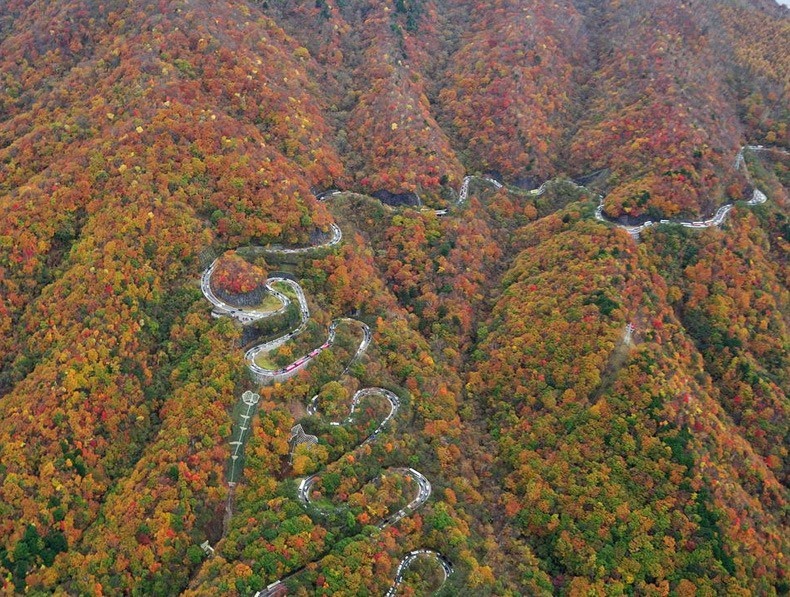
Irohazaka Winding Road, Japanirohazaka-11
Irohazaka are a pair of winding roads connecting the lower elevation around central Nikko, in the mountains of Tochigi Prefecture, Japan, to the higher elevations of Oku-Nikko located in the northwestern part of Nikko. "i-ro-ha" are the first three characters of the 48 syllables of the formerly used Japanese alphabet (which is now known as "aiueo"), and "zaka" means "slope".

Beautiful Sunflower Festival in Zama, Japan

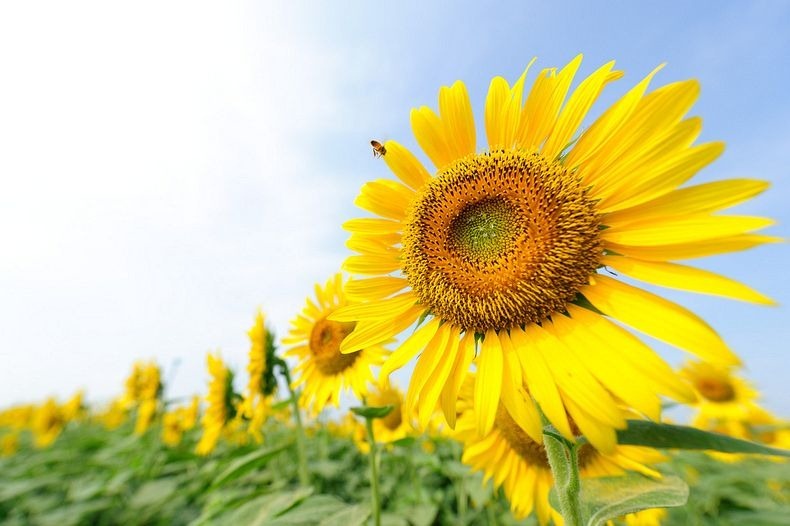
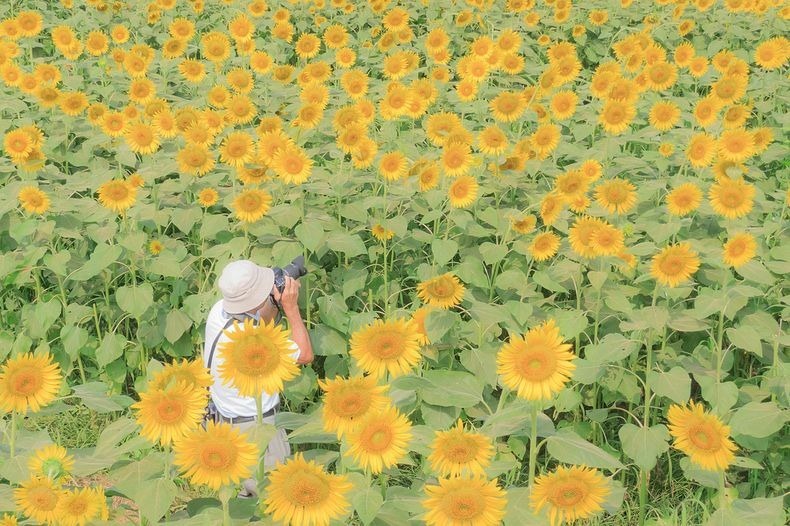
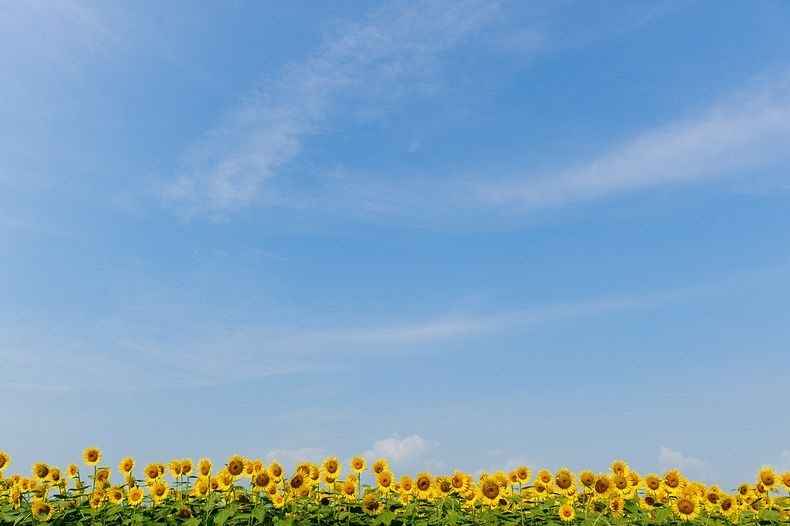
Beautiful Sunflower Festival in Zama, Japan
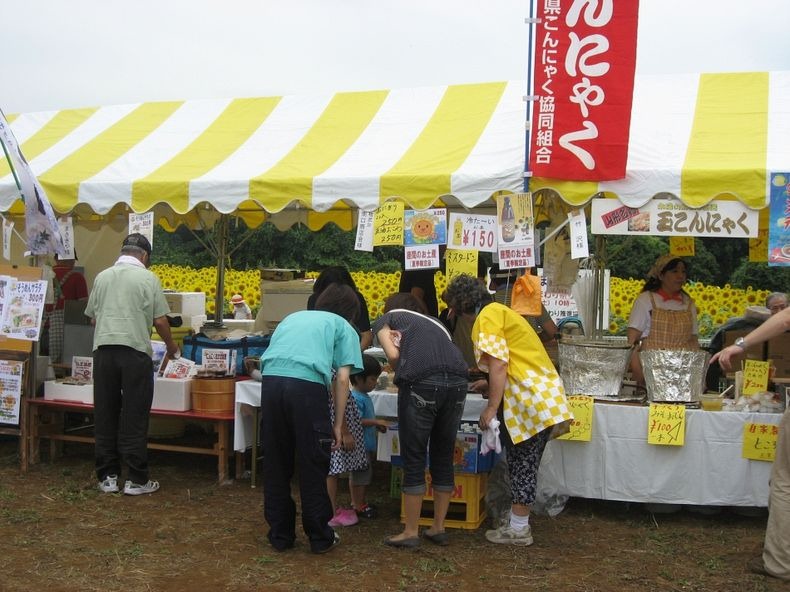
This beautiful sunflower festival is held in the central Kanagawa Prefecture Zama city, Japan.Here many people come or turrets to see this sunflower fields this is because a famous place.
himwari-festival-0
Beautiful Sunflower Festival in Zama, Japanhimwari-festival-1
Beautiful Sunflower Festival in Zama, Japanhimwari-festival-3
Beautiful Sunflower Festival in Zama, Japanhimwari-festival-4
Beautiful Sunflower Festival in Zama, Japanhimwari-festival-5
Beautiful Sunflower Festival in Zama, Japanhimwari-festival-6
Beautiful Sunflower Festival in Zama, Japanhimwari-festival-7
Beautiful Sunflower Festival in Zama, Japanhimwari-festival-8
Beautiful Sunflower Festival in Zama, Japanhimwari-festival-9
Beautiful Sunflower Festival in Zama, Japanhimwari-festival-11

Flower Paradise at Hitachi Seaside Park, Japan

Flower Paradise at Hitachi Seaside Park, Japan
 This amazing and attractive Flower Paradise is in Hitachi Seaside Park, located in Hitachinaka, Ibaraki prefecture, Japan near Ajigaura Beach.A large number of turrets come here to enjoy the flowers paradise.Here you will find out the flowers in every season of the year,this park is consist on the area of ​​3.5 hectares.This park is famous due to its features like here any type of flower are available in all season of the year,large number of turrets and many more.
 hitachi-seaside-park-1-790
Flower Paradise at Hitachi Seaside Park, Japan https://blogger.googleusercontent.com/img/b/R29vZ2xl/AVvXsEjdotcEgBY8Z7Nn3uSkvWIG6pkxGCPEfeH4cVMSKggAgG5ZfEIBEO1SPB0ucuYyq1cs9_aEM2SJpTV7VD_9FJDWyE6ggvUiDJt3xlOOvd2BHeCKdfVAkUyA-uy3IL2QTecNN0LZ6w4owE0i/?imgmax=800
Flower Paradise at Hitachi Seaside Park, Japanhitachi-seaside-park-6
Flower Paradise at Hitachi Seaside Park, Japan https://blogger.googleusercontent.com/img/b/R29vZ2xl/AVvXsEiKFX0NBLHUAf2V_OLE0JT69o_DxujLvExxrZnphgNTePJygc5zhg9Uo8Lzb_9Zi-94ao7w-Jx1BL2lP1WcM-J5zgxD7RCRotZsUVaSjinTl5v5W4kR2enSiWzvhV0Bt-zQSgx1Hxp5Nr7A/?imgmax=800
Flower Paradise at Hitachi Seaside Park, Japan https://blogger.googleusercontent.com/img/b/R29vZ2xl/AVvXsEjEiVSqeAzoYGFnfCVc7h0n4_o8y3gdni4deMVmxbZYqQ5poQfzP3X_YEHB2cjqBXa0KJ-zGHtlCnAZuYkeQ42BBs34RJYRrxu-iFpoyFRGrSo86AYWYKf0ntoXplwTVkwA8Rs0antWpy-F/?imgmax=800
Flower Paradise at Hitachi Seaside Park, Japan https://blogger.googleusercontent.com/img/b/R29vZ2xl/AVvXsEjfccLZOGGvDi9rStW4pBzQXBVNoc3voCLFP0hKRXswUJM1XmaHl97t9KKvyQ1yinJgl1psa_bIdCJpooggTcCBXz94Taaw9jzLGglyuMTTzy232nOwzY342n7gVRI8zL9hxjC-09z9UVns/?imgmax=800
Flower Paradise at Hitachi Seaside Park, Japanhitachi-seaside-park-15

Amazing Mirrored Entranceway in Japan

Amazing Mirrored Entranceway in Japan
This amazing mirrored entranceway is in Japan, recently opened this past April, Tokyu Plaza Omotesando Harajuku is a shopping complex,and this entranceway suppose to be a amazing entrance.

Amazing Mirrored Entranceway in Japan

Amazing Mirrored Entranceway in Japan

Amazing Mirrored Entranceway in Japan

Amazing Mirrored Entranceway in Japan

via [Spoon & Tamago], [MSNBC]
Photos via [MSNBC], [Tofu]

Blue Pond in Hokkaido,Amazing Place In Japan

Blue Pond in Hokkaido,Amazing Place In  Japan
This amazing view is located at the  bank of the River Bieigawa, southeast of the town of Biei in Hokkaido, Japan.
 blue-pond1
Photo credit: Unknown.
Blue Pond in Hokkaido,Amazing Place In  Japanblue-pond-1
The wallpaper in OS X Mountain Lion. Photo credit
Blue Pond in Hokkaido,Amazing Place In  Japanblue-pond-3
Blue Pond in Hokkaido,Amazing Place In  Japanblue-pond-2
Blue Pond in Hokkaido,Amazing Place In  Japanblue-pond-4
Blue Pond in Hokkaido,Amazing Place In  Japanblue-pond-5
Blue Pond in Hokkaido,Amazing Place In  Japanblue-pond-6
Blue Pond in Hokkaido,Amazing Place In  Japanblue-pond-7
Blue Pond in Hokkaido,Amazing Place In  Japanblue-pond-8
Blue Pond in Hokkaido,Amazing Place In  Japanblue-pond-9
Blue Pond in Hokkaido,Amazing Place In  Japanblue-pond-10
Blue Pond in Hokkaido,Amazing Place In  Japanblue-pond-11
Blue Pond in Hokkaido,Amazing Place In  Japanblue-pond-12
Sources: 1, 2, 3

Sunflower Festival in Zama, Japan

Sunflower Festival in Zama, Japan 
Zama is a city located in central Kanagawa Prefecture, Japan.This palce is famouse becouse of sunflower fields a large number of visitores come here to enjoy the sunflower fields every year in summer.Visitores enjou this season using the music and entertainment, great food.
himwari-festival-0
Sunflower Festival in Zama, Japan 
himwari-festival-1
Sunflower Festival in Zama, Japan 
himwari-festival-3
Sunflower Festival in Zama, Japan 
himwari-festival-4
Sunflower Festival in Zama, Japan 
himwari-festival-5
Sunflower Festival in Zama, Japan 
himwari-festival-6
Sunflower Festival in Zama, Japan 
himwari-festival-7
Sunflower Festival in Zama, Japan 
himwari-festival-8
Sunflower Festival in Zama, Japan 
himwari-festival-9
Sunflower Festival in Zama, Japan 
himwari-festival-11