Step into the Malm Museum and witness the astonishing sight of the world's sole taxidermied whale

 Step into the Malm Museum and witness the astonishing sight of the world's sole taxidermied whale

Nature never ceases to amaze us with its diversity, and the animal kingdom is filled with astonishing creatures. Among them, the Malm Whale stands out as a truly unique specimen. As the world's only taxidermied whale, it serves as a testament to the wonders of preservation and the immense size and beauty of these majestic marine creatures. This essay explores the significance of the Malm Whale, delving into its preservation, historical context, and the profound impact it has on those fortunate enough to witness this remarkable display.

Preservation of a Natural Wonder

The Malm Whale represents a remarkable achievement in the field of taxidermy, where the art of preserving and mounting animal specimens reaches its peak. This particular whale, which resides in the Malm Museum in Sweden, has undergone a meticulous process of preservation to maintain its lifelike appearance. Preserving such a massive creature poses significant challenges, requiring advanced techniques and expertise to retain the whale's grandeur and anatomical accuracy.

Historical Context and Significance

The history of the Malm Whale dates back to the late 19th century when it was initially acquired by the museum. During this period, whaling was a prevalent practice, driven by commercial interests and scientific curiosity. The acquisition and preservation of the Malm Whale were groundbreaking for its time, providing a rare opportunity to study and appreciate these magnificent creatures up close. It stands as a testament to the human fascination with marine life and the desire to document and understand the natural world.

Awe-Inspiring Size and Realism

One cannot help but be captivated by the sheer size and realistic representation of the Malm Whale. Measuring over 70 feet (21 meters) in length, this taxidermied specimen accurately portrays the scale and proportions of a living whale. The meticulous attention to detail, from the texture of its skin to the placement of its baleen plates, allows visitors to witness the intricate features of these magnificent marine mammals.

Educational and Inspirational Value

The Malm Whale serves as an invaluable educational resource, offering visitors a unique opportunity to learn about the biology, behavior, and conservation of whales. It provides an immersive experience, allowing individuals to understand and appreciate the complexity of these gentle giants. Moreover, the sheer presence of the Malm Whale can inspire awe and wonder, fostering a deep connection with the natural world and nurturing a sense of responsibility towards the preservation of marine ecosystems.

Ethical Considerations

As society evolves, ethical considerations surrounding the display of taxidermied animals have come to the forefront. Critics argue that the act of preserving and showcasing large marine creatures like the Malm Whale perpetuates an outdated practice and may not align with contemporary values of conservation and animal welfare. It is essential to engage in ongoing dialogue and reflection to ensure that the display of such specimens is done ethically and with respect for the animal's life.

The Malm Whale at the Gothenburg Natural History Museum in Sweden. Photo: Jopparn/Wikimedia


Step into the Malm Museum and witness the astonishing sight of the world's sole taxidermied whale

The Malm Whale arrives in Gothenburg. Photo: National Library of Sweden

Step into the Malm Museum and witness the astonishing sight of the world's sole taxidermied whale

The head, breast and tail segments of the Malm whale built in sections on beams, in the eastern half of the whale hall. Photo: Gothenburg's Natural History Museum

The Biggest Natural Arch - Shipton's Arch:


The Biggest Natural Arch - Shipton's Arch:

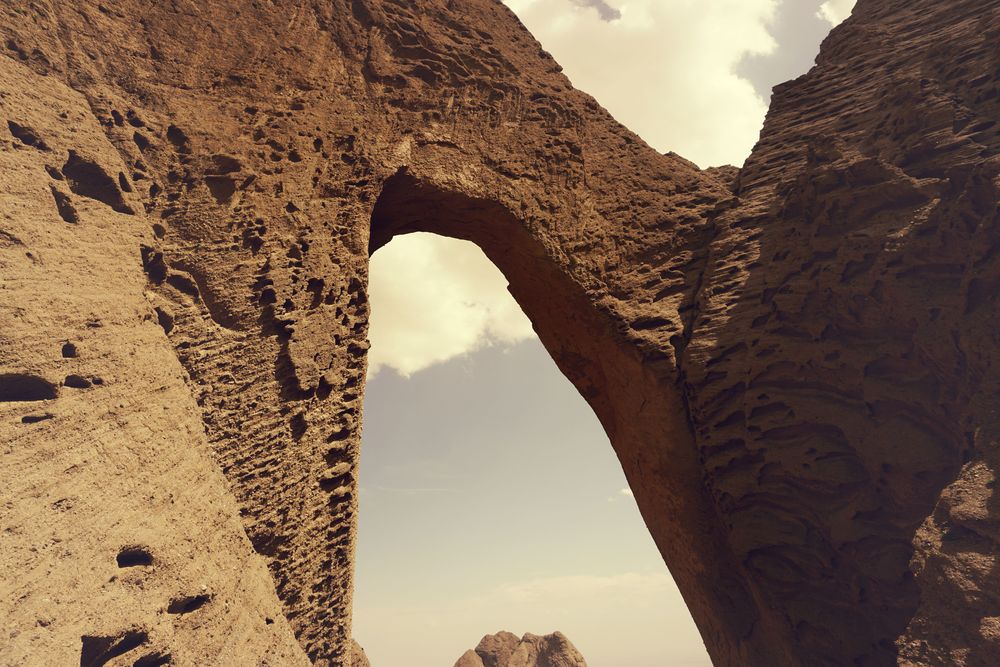
Nature has a way of captivating us with its grandeur and awe-inspiring landscapes. Among the wonders that Mother Earth presents to us is Shipton's Arch, a colossal natural arch nestled in the remote mountains of Xinjiang, China. Standing as a testament to the immense power of geological forces, Shipton's Arch claims the title of the tallest natural arch in the world. This essay explores the significance of Shipton's Arch, delving into its formation, unique features, and the profound impact it has on those who witness its majestic presence.

A Geological Marvel

Shipton's Arch, also known as Tushuk Tash, stands as a remarkable geological formation that showcases the intricate interplay between nature's forces over millions of years. Located in the heart of the Karakoram range, this colossal natural arch stretches an astounding 1,200 feet (365 meters) from the base to its apex. Carved out of the red sandstone cliffs, the arch's massive size and intricate structure make it an extraordinary spectacle.

Formation and Erosion

The formation of Shipton's Arch can be attributed to a combination of tectonic activity, erosion, and the relentless forces of wind and water. Geologists believe that the arch originated from the uplift and folding of rock layers in the region, which occurred millions of years ago. Subsequent erosion, caused by wind and water, gradually sculpted the sandstone cliffs, creating this monumental arch over an extended period of time.

Unique Features and Breathtaking Beauty

Shipton's Arch stands out not only for its remarkable height but also for its striking beauty and unique features. The arch exhibits a graceful curvature, with its massive opening resembling a grand gateway to the heavens. The sheer magnitude of the arch is awe-inspiring, leaving visitors humbled by the immensity of nature's artistry. Additionally, the surrounding landscape showcases the rugged beauty of the Karakoram range, with dramatic cliffs, deep canyons, and snow-capped peaks providing a stunning backdrop to the arch.

Cultural and Spiritual Significance

Beyond its geological significance, Shipton's Arch holds cultural and spiritual importance for the indigenous peoples of the region. For centuries, the arch has been a sacred site for the local Tajik and Kyrgyz communities. It serves as a meeting point for cultural gatherings, celebrations, and traditional rituals. The arch's towering presence has inspired legends and folklore, instilling a sense of reverence and wonder among those who consider it a sacred place.

Impacting Visitors and Researchers

Shipton's Arch continues to captivate the hearts and minds of those fortunate enough to witness its majesty. Visitors are drawn to its remote location, venturing on arduous journeys to experience the sheer grandeur of the arch firsthand. Its imposing size, combined with the surrounding untouched wilderness, leaves a lasting impression on all who encounter it.

Furthermore, researchers and scientists are fascinated by Shipton's Arch, studying its geological processes, erosion patterns, and unique formation. The arch provides valuable insights into the Earth's history and the forces that shape our planet, contributing to the broader understanding of geological phenomena.

Preservation and Responsible Tourism

Given the delicate nature of Shipton's Arch and its significance as a cultural and geological wonder, preservation and responsible tourism are paramount. Balancing the desire to share this natural marvel with the world while ensuring its long-term conservation is crucial. Implementing sustainable practices, such as controlled access, visitor education, and environmental monitoring, can help protect the arch's fragile ecosystem and preserve its splendor for future generations.

Photo: LoudNotes/Wikimedia
The Biggest Natural Arch - Shipton's Arch:

Photo: Philipp Reichmuth/Wikimedia
The Biggest Natural Arch - Shipton's Arch:

Photo: The Outbound

Footage of ‘Titanic’ Wreckage Reveals a Look at When the Iconic Ship Was First Found

Footage of ‘Titanic’ Wreckage Reveals a Look at When the Iconic Ship Was First FoundThe RMS Titanic, the ill-fated ocean liner that met its tragic end on April 15, 1912, has captivated the world's imagination for over a century. Its sinking in the North Atlantic Ocean remains one of the most infamous maritime disasters in history. However, the allure of the Titanic did not wane even after its watery grave was discovered in 1985. Recently, unseen footage of the Titanic wreckage has come to light, offering a unique glimpse into the momentous occasion when the iconic ship was first found. This essay delves into the significance of this newly surfaced footage and explores the impact it has on our understanding of the Titanic's legacy.

Unveiling the Unseen Footage

The release of previously unseen footage of the Titanic wreck is a significant development that reignites public fascination with the tragedy. The footage, recorded during the original 1985 expedition led by Dr. Robert Ballard, provides a fresh perspective on the initial exploration of the Titanic's resting place nearly four kilometers below the ocean's surface. The high-resolution images showcase the eerie beauty of the wreckage and shed light on the conditions in which the ship currently lies.

A Glimpse into History

The discovery of the Titanic wreck was a watershed moment in maritime archaeology and historical preservation. Until 1985, the Titanic's exact location remained a mystery, shrouded in the depths of the Atlantic Ocean. The unseen footage takes us back to the time when the iconic ship was first found, capturing the excitement and awe that must have accompanied the historic moment. It allows us to witness the precise moments when the deep-sea cameras unveiled the haunting silhouette of the ship's bow, the scattered debris, and the remnants of a vessel that once represented the pinnacle of human engineering.

Preserving the Titanic's Legacy

Beyond the mesmerizing visuals, the newly discovered footage serves a crucial purpose in preserving the Titanic's legacy for future generations. The delicate state of the wreck and the ongoing deterioration of its structure demand careful documentation and conservation efforts. The footage serves as a valuable resource for researchers, scientists, and historians, aiding in their understanding of the ship's current condition and the forces of nature that have shaped it over time. By capturing the wreckage on film, this unseen footage helps in mapping the changes that have occurred since the initial discovery and provides a baseline for further research.

Implications for Historical Narratives

The release of this unseen footage also raises questions about the broader impact on historical narratives surrounding the Titanic. Over the years, countless books, films, and documentaries have attempted to recreate the tragic events and paint a vivid picture of the ship's final moments. However, the discovery of new visual evidence challenges some long-held assumptions and provides fresh perspectives on the events leading up to the Titanic's demise. This footage allows historians to reassess their interpretations and develop a more accurate understanding of the disaster, enriching the collective knowledge about this momentous event in human history.

Conclusion

The unveiling of unseen footage of the Titanic wreckage is a remarkable event that reignites our fascination with the tragic tale of the iconic ship. This footage offers a unique glimpse into the historic moment when the Titanic was first discovered, providing a tangible link to the past. Its release not only preserves the legacy of the Titanic but also contributes to ongoing research and reevaluation of the historical narrative. As we continue to uncover new insights into this maritime tragedy, the unseen footage serves as a poignant reminder of the lives lost and the enduring fascination surrounding the RMS Titanic.

Welcome back to Titanic! Take a look at the shipwreck as it was first seen by submersibles in 1986.Footage of the Wreck From First Submersible Dives to RMS Titanic Revealed

The RMS Titanic on April 10, 1912. (Photo: Wikimedia Commons, PUblic domain)

The 80-minute-long video has been released by the Woods Hole Oceanographic Institution (WHOI).

Footage of the Wreck From First Submersible Dives to RMS Titanic Revealed

The first-class lounge. (Photo: Wikimedia Commons, Public domain)

h/t: [Design Taxi]